French hair clips, more precisely known as French barrettes, are one of the most elegant and reliable hair accessories in the world. Beloved for their timeless sophistication and superior hold, these clips effortlessly elevate everyday looks or secure intricate updos with a touch of French chic. Whether you’re familiar with them as “barrettes” or simply “French clips,” they stand out for their sturdy construction and luxurious finish.


Unlike basic snap clips or claw clips, French barrettes feature a robust metal mechanism that provides exceptional security, making them ideal for thick, fine, or slippery hair. This article explores what makes them unique, their fascinating history, intricate design, diverse styles, and practical tips for use.
What Are French Hair Clips?
At their core, French hair clips—or French barrettes—are clasp-style hair accessories designed to hold sections of hair securely. The term “barrette” comes from the French word meaning “small bar,” perfectly describing the clip’s structure: a decorative top piece attached to a strong metal base with a tension bar and prongs that lock into place.
What sets French barrettes apart from regular hair clips is their superior craftsmanship and durability. Regular snap clips rely on a simple spring mechanism that can weaken over time, while French barrettes use an “auto-lock” system with a tension bar that grips hair firmly without slipping. Premium versions are handmade using cellulose acetate—a biodegradable, plant-based material derived from wood pulp and cotton—that is cut, polished, and fitted with high-quality steel clasps.
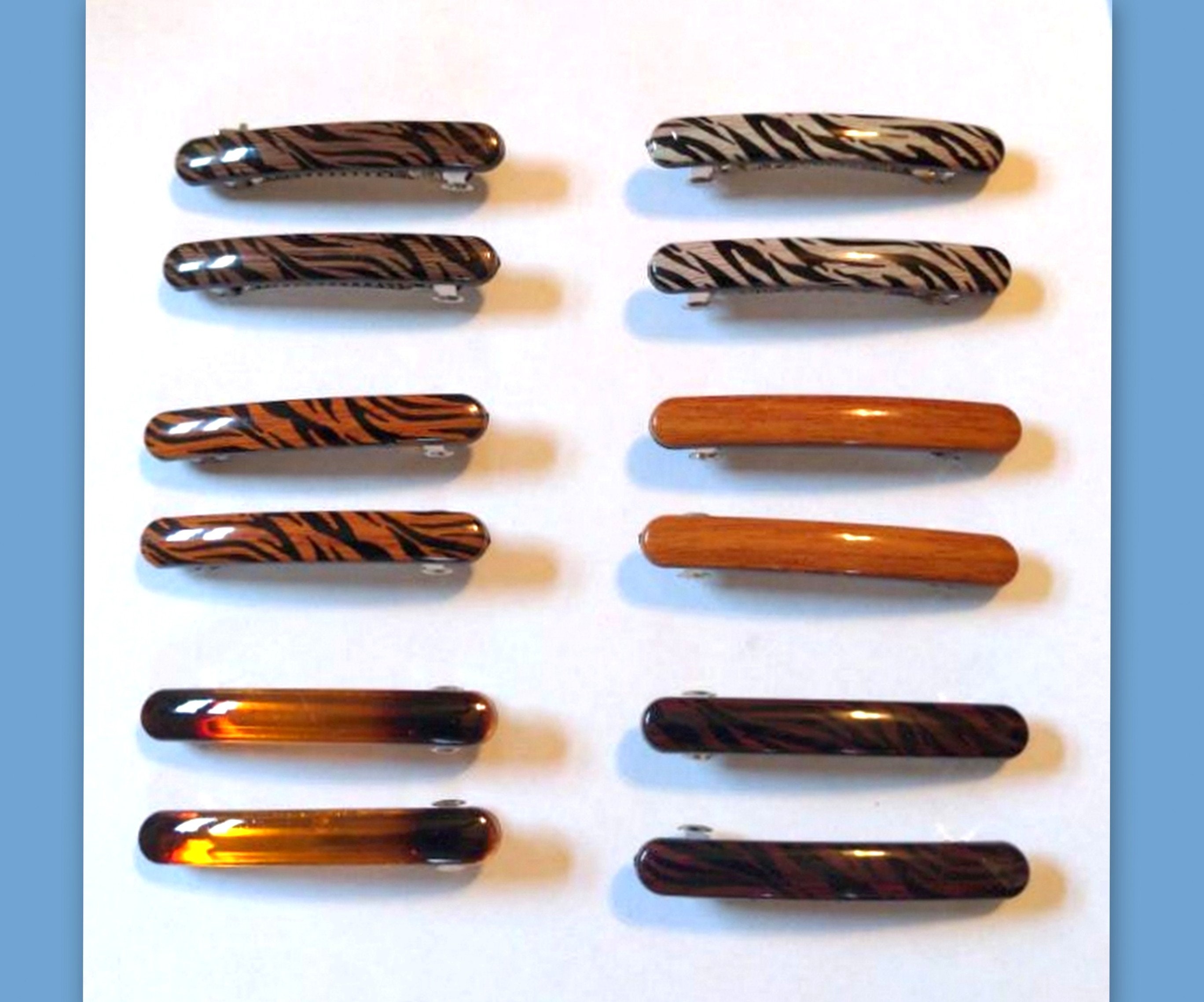
These clips are versatile for various hair types and lengths. Small ones secure side sections or fine hair, while larger versions handle thick or long hair in ponytails, half-up styles, or full updos. Their smooth edges prevent hair damage, and the polished surface adds a luxurious sheen that mimics tortoiseshell or gemstones.

In essence, French barrettes combine functionality with elegance, making them a staple in French beauty routines and a favorite worldwide.
History and Origins: Why “French”?
The association with France is no marketing gimmick—it’s rooted in centuries of craftsmanship. France has long been renowned for luxury goods, and hair accessories are no exception. Historical accounts trace high-quality hair clip production back to the 17th century. In 1630, the King of France reportedly designated a specific town as the exclusive supplier of hair clips to the royal court, cementing the country’s reputation for superior barrettes.
By the 19th century, barrettes gained popularity across Europe, but French artisans perfected the craft. Families in regions like Oyonnax (often called the “cradle of French plastics”) began handcrafting them using innovative materials. Since 1892, manufacturers have specialized in robust mechanisms that outlast cheaper imitations.
The word “barrette” itself is French, evolving from “barre” (bar) with a diminutive suffix. While modern mass-produced versions exist globally (often from Asia), authentic French barrettes are still handmade in France, stamped “Made in France,” and prized for their longevity. Cheaper copies lack the strong steel and precise engineering, often breaking or losing grip.
This heritage explains why “French” signifies quality: it’s a nod to generations of expertise in creating accessories that are both beautiful and enduring.
Design and Mechanism Explained
The secret to a French barrette’s reliability lies in its clever mechanism. Unlike simple snap clips, it features a tension bar (a metal strip that provides spring-like pressure), two prongs on the clasp, and an arm that locks securely.
To use: Press the ends of the clasp to open, slide under hair, position the decorative top over the section, and release—the prongs latch, trapping hair between the tension bar and top for a firm hold.
Premium French versions use cellulose acetate for the top—hand-polished for smoothness and shine—paired with tempered steel that resists bending. This contrasts with plastic alternatives that scratch easily or metal-only clips that snag hair. The result? A clip that lasts years, even with daily use, without damaging strands.
Classic Styles and Appearance
French barrettes come in a stunning array of styles, sizes, and finishes to suit any preference or hair type.
Sizes:
- Small (2-3 inches): Ideal for fine hair or side sections.
- Medium (3-3.5 inches): Versatile for half-up styles.
- Large/extra-large (4+ inches): Perfect for thick hair in French twists or ponytails.
Styles and Patterns:
- Rectangular or oval shapes for classic elegance.
- Tortoiseshell (the iconic mottled brown pattern).
- Solid colors: Black, ivory, or bold hues.
- Ornate options with patterns, crystals, or minimalist designs.


Their appearance is polished and sophisticated—smooth, glossy surfaces that catch light beautifully, adding effortless glamour.
How to Use and Styling Tips
French barrettes shine in classic hairstyles:
- French Twist: Gather hair, twist upward, tuck ends, and secure with a large barrette.
- Half-Up: Pull top section back and clip for volume.
- Ponytail or Side Sweep: Add elegance to simple styles.

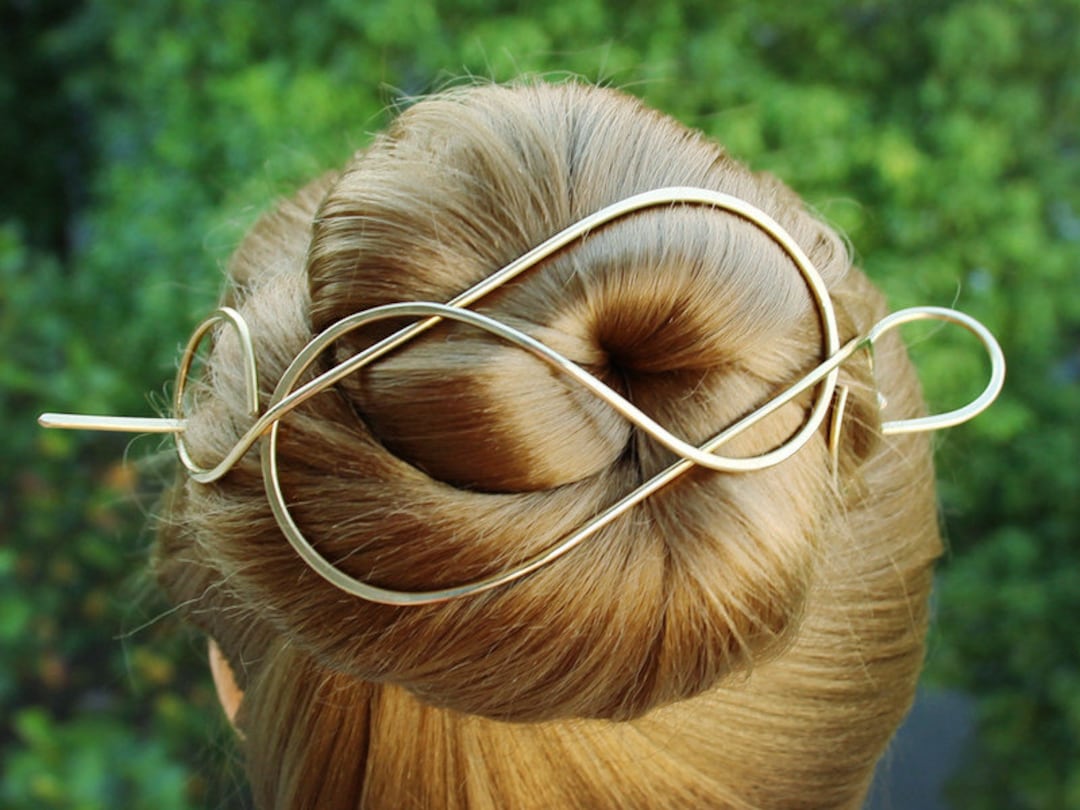

Tips: Use dry shampoo for grip; choose arched designs for thick hair. Brands like France Luxe or Tegen offer authentic options.
Conclusion
French hair clips embody timeless French elegance—blending history, superior design, and versatility. From their royal origins to modern handmade perfection, they remain a beloved accessory that adds polish to any hairstyle. Invest in one, and you’ll understand why they’ve endured for centuries. Whether for daily wear or special occasions, a French barrette is more than a clip—it’s a piece of heritage.