Hair brush production lead time is the time between the buyer approving the pre-production sample and the finished, packed brushes being ready to ship. For brushes made on existing molds, factory-direct suppliers commonly quote 15 to 30 days after sample approval. The total time from first inquiry to goods arriving is longer, because it also includes quoting, sampling, and sea or air freight. Knowing which stage takes how long is the easiest way to avoid a missed launch date.
The Full Timeline From Inquiry to Delivery
Lead time is often quoted as one number, but it is a chain of stages. The table below summarises a typical timeline for a custom brush on an existing mold.
| Stage | Typical Time | What Happens | Who Controls It |
|---|---|---|---|
| Inquiry and quote | 1–3 days | Specification, price, and MOQ confirmed | Both sides |
| Sampling | About 7 days | Sample made in production materials | Factory |
| Revisions and approval | Varies | Buyer tests, comments, signs off | Buyer |
| Bulk production | 15–30 days | Materials, molding, assembly, QC, packing | Factory |
| Inspection and booking | A few days | Pre-shipment check, freight booking | Both sides |
| Freight | Depends on route | Sea, air, or express to destination | Forwarder |
Why the Buyer Controls Part of the Clock
The revision stage is the one most likely to slip, and it is mostly in the buyer’s hands. A sample that waits a week for feedback adds a week to the launch.
What Happens During the 15–30 Days of Production
Bulk production is a sequence of steps that cannot all run at once. Each one has its own lead time.
Materials and Components
The factory orders or allocates handle resin, wood, acetate sheet, rubber cushions, nylon pins, boar bristle, and packaging. Stock materials are ready quickly; custom colors and printed boxes take longer.
Molding and Handle Finishing
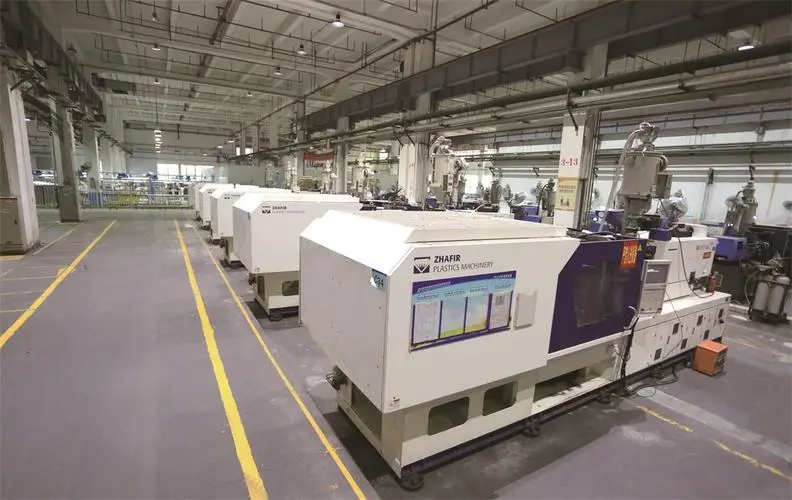
Plastic handles and heads are injection molded, then painted, coated, or printed. Wooden handles are cut, sanded, and sealed. Acetate handles are cut and polished.

Assembly, Inspection and Packing
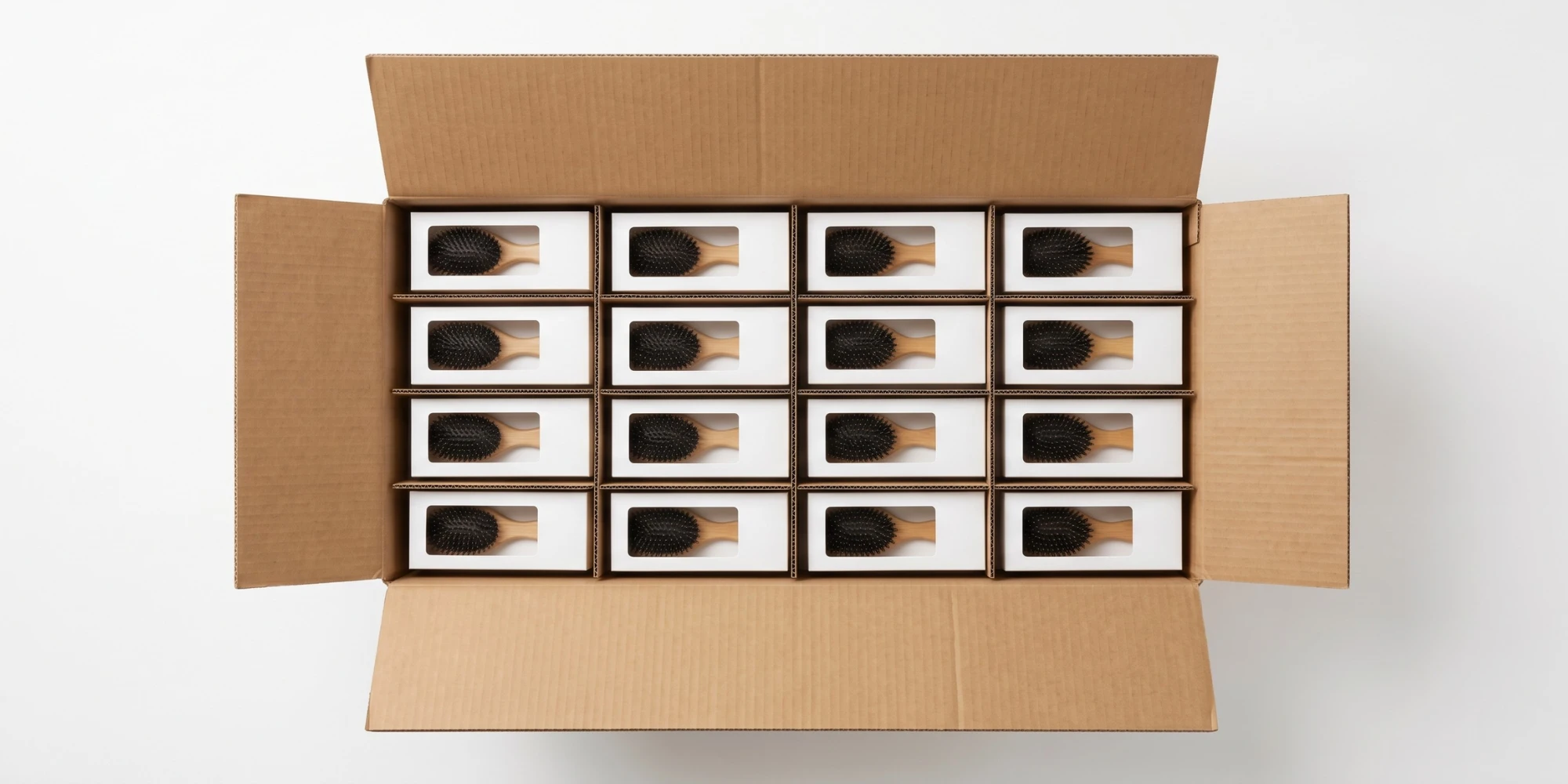
Pins are inserted into cushions, cushions are fitted into heads, and bristles are tufted. Every batch is inspected against the golden sample, then packed into retail packaging, inner cartons, and master cartons.
What Makes Hair Brush Lead Times Longer
The 15–30 day range assumes an existing mold, stock materials, and a clear specification. These factors push it out.
New Molds
A custom handle or head shape needs a steel mold, trial shots, and corrections before bulk production can start. That adds several weeks, and it should be planned separately from the production window. The guide to stock molds vs custom designs compares the two routes.
Custom Materials and Packaging
Custom-colored cushions, special bristle grades, certified wood, and printed boxes each have their own supplier lead time. Printed packaging is a common bottleneck: the brushes can be finished before the boxes arrive.
Changes After Approval
Changing a color, logo, or pin type after the sample is signed restarts part of the process. Freeze the specification before paying the deposit.
Peak Seasons and Holidays
Orders for holiday retail cluster in the second half of the year, which fills production schedules. Factories in China also close for several weeks around Chinese New Year, and output takes time to recover afterwards. Orders placed in the weeks before the holiday are the most likely to slip.
Lead Time by Brush Type
The 15–30 day window covers most brushes on existing molds, but some types sit at the longer end.
Plastic Paddle and Detangling Brushes
Mostly molded and machine-assembled, these are the fastest to produce once materials are ready.
Boar Bristle Brushes
Boar bristle is graded and tufted, partly by hand. Large orders of dense boar brushes take longer than nylon-pin brushes of the same quantity.
Wooden Brushes
Wood must be dried before machining and sealed after sanding. Certified wood may also need a separate material order with chain-of-custody documents.
Acetate Brushes
Acetate handles are cut and polished in several stages. Custom patterns need a sheet batch before cutting can start.
Round Brushes and Sets
Round brushes add barrel coating and assembly. Brush and comb sets combine several products and their packaging, so the slowest item sets the pace.
How to Shorten Hair Brush Lead Time
Most time savings come from decisions made before the order is placed.
Start From a Stock Mold
Changing only color, logo, and packaging on an existing brush avoids mold making entirely. It is the single biggest time saver.
Approve Packaging Early
Send packaging artwork with the sample approval, not after it. Printers can then run in parallel with brush production.
Answer Questions the Same Day
Fast replies on sample comments, artwork proofs, and carton labels keep the schedule moving. A factory that replies within 12 hours can only move as fast as the answers it receives.
Book Inspection and Freight Early
Book the pre-shipment inspection and freight space before production ends. A finished order waiting for an inspector or a container slot is lost time.
The following video gives a practical overview of what lead time includes and how it is measured.
Freight, Updates and Split Shipments
Production lead time ends at the factory gate. Freight is a separate stage that depends on the route and method, and the way an order is communicated and structured can protect the launch date as much as fast production can.
Sea Freight
Sea freight is the usual choice for bulk brush orders because brushes are bulky but light. Transit time varies by destination port, and buyers should add time for port handling, customs clearance, and delivery to the warehouse.
Air Freight and Express
Air freight and express couriers are much faster but cost more per kilogram. They suit samples, urgent repeat stock, and the first part of a split shipment.
Customs and Documents
Missing or inconsistent documents are a common cause of delays at the destination. The commercial invoice, packing list, and any required certificates should be checked before the goods leave.
Regular Updates
Regular updates keep problems small. Buyers can ask for a simple schedule at the start of the order.
Photos of materials arriving, first handles off the line, and the first packed cartons confirm that the order is moving. They also catch color or logo issues before the whole batch is finished, when a correction still costs a few days instead of several weeks of lost production time.
If a change is unavoidable, ask the factory to confirm the new ship date in writing before the change is made.
Split Shipments
A first shipment by air can cover launch stock while the rest follows by sea. It costs more per unit for the air portion but protects the launch date.
Reorders Are Faster
A repeat order of an approved brush skips sampling and much of the material setup. Planning the reorder before stock runs low keeps the shelf full without rushing.
Planning a Launch Date Backwards
The safest schedule is built backwards from the date the brushes must be on sale.
Work Back From the On-Sale Date
- Start from the date stock must be in the warehouse.
- Subtract freight time for the chosen route, plus customs clearance.
- Subtract the production window and pre-shipment inspection.
- Subtract sampling and a realistic revision period.
- Add a buffer for holidays and peak season.
Know What “Lead Time” Means in the Quote
Some suppliers quote production time only; others include freight. Ask whether the figure starts from deposit or from sample approval, and whether it ends at the factory gate or at your door. The trade term on the quote, defined by the ICC Incoterms rules, shows where the factory’s responsibility ends.
Confirm Lead Time in Writing
Put the agreed production window and ship date on the pro forma invoice. The checklist in 10 things to check before placing a custom hair brush order covers what else belongs in writing.
Frequently Asked Questions
Q: How long does hair brush production take?
For brushes made on existing molds, factory-direct suppliers commonly quote 15 to 30 days after the pre-production sample is approved. New molds, custom materials, printed packaging, and peak seasons can extend that.
Q: How long does a hair brush sample take?
A sample on an existing mold with a new color or logo typically takes about 7 days. A sample of a new handle or head shape takes longer because the mold must be made first.
Q: Does lead time include shipping?
Usually not. Production lead time normally ends when goods are packed and ready at the factory. Freight time depends on the route and method and is added afterwards.
Q: Why do orders slip around Chinese New Year?
Factories close for several weeks around the holiday, and workers return gradually afterwards. Orders that are not finished before the break often ship weeks later than planned.
Q: What is the fastest way to get custom brushes?
Use an existing mold, keep materials standard, approve packaging artwork together with the sample, and reply to questions the same day. Booking inspection and freight before production ends also saves time.
Conclusion
Hair brush production lead time is one link in a longer chain: quote, sample, approval, production, inspection, and freight. Buyers who start from a stock mold, freeze the specification, and plan backwards from their on-sale date rarely miss a launch.
Manufacturers such as JunYi Beauty, which runs molding, assembly, and packing for hair brushes at its own Dongguan facility, represent the type of OEM hair brush manufacturer able to give a production window in writing and keep each stage under one roof.