A hair brush MOQ is the smallest number of brushes a manufacturer will produce in one run, counted per style, per color, or per SKU. For brushes, the deciding question is whether the order uses a stock mold or needs a custom design. That single choice can move the minimum from a few hundred pieces to several thousand. This guide explains both routes, typical minimums by brush type, and the components that carry minimums of their own.
What a Hair Brush MOQ Covers
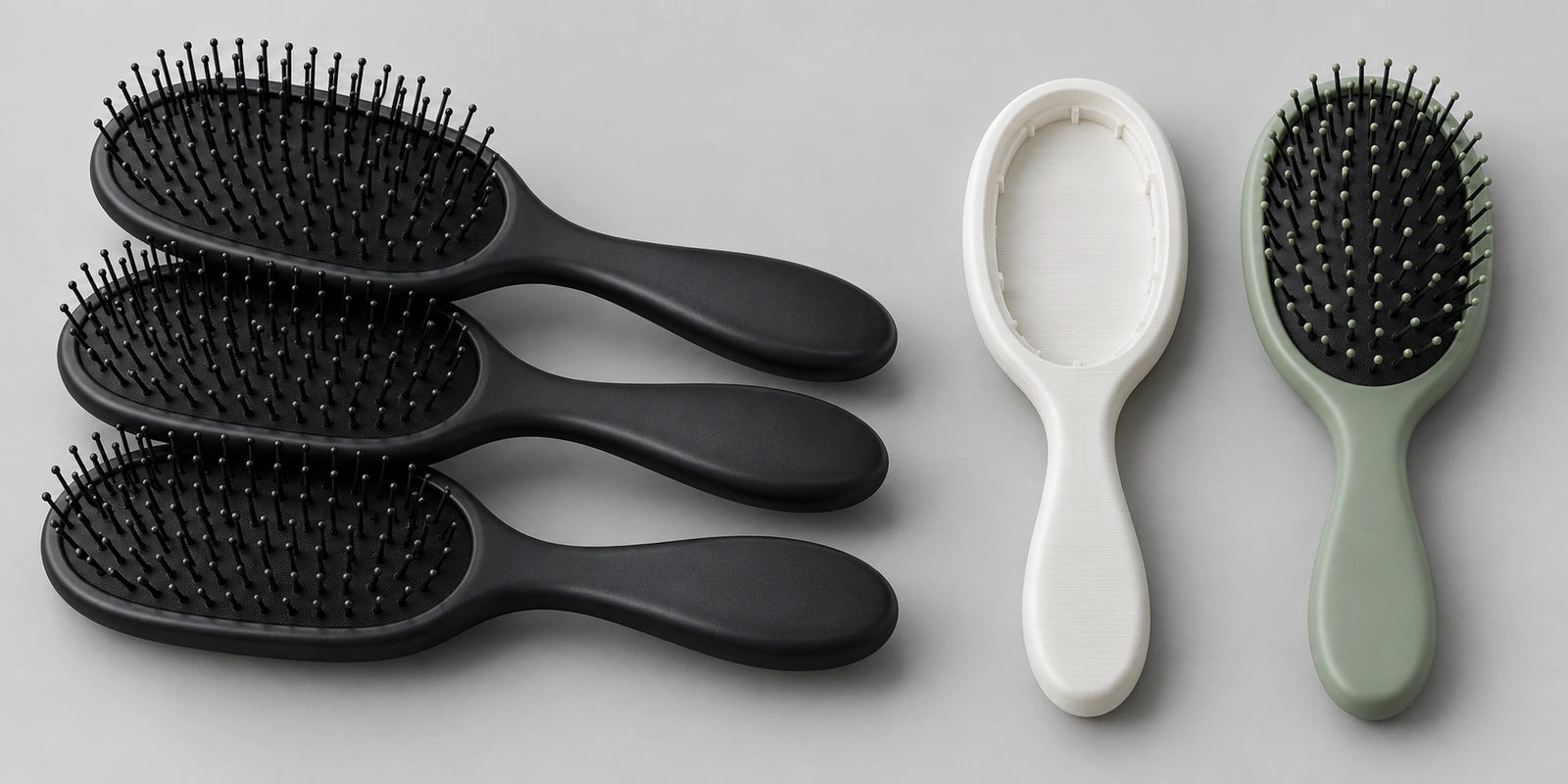
Brushes are assembled products. A cushion paddle brush combines a handle, a head frame, a rubber pad, and hundreds of pins or bristle tufts. Each part runs on its own machine or line, and each has a setup cost.
Per Style, Per Color or Per SKU
“500 pieces per style” and “500 pieces per style per color” are very different orders. Three handle colors at 500 per color is 1,500 brushes. Confirm the counting unit in writing before comparing suppliers.
Why Brush MOQs Run Higher Than Many Accessories
A claw clip has four to six parts. A brush often has more, plus hand assembly. Every part with a custom color or material has to reach its own minimum, which pushes the brush minimum up.
Stock Molds vs Custom Designs
Stock molds are handle and head shapes a factory already owns and produces. Custom designs need new tooling. The comparison below summarises how the two routes differ.
| Route | What Changes | Typical MOQ | Tooling |
|---|---|---|---|
| Stock mold, logo and color | Logo, handle color | From 500 pcs per style | None |
| Stock mold, new materials | Pins, bristle, cushion | 500–1,000 pcs per style | None |
| Modified stock mold | Insert or texture | 1,000+ pcs per style | Partial |
| Fully custom design | Handle and head shape | 1,000–3,000+ pcs per SKU | Full set |
The Stock Mold Route
A brand selects an existing brush and changes the logo and handle color. There is no tooling and samples are fast. Factory-direct suppliers commonly start this route at about 500 pieces per style. In industry terms this is closer to ODM than OEM, as set out in the guide to OEM vs ODM for hair care brands.
The Custom Design Route
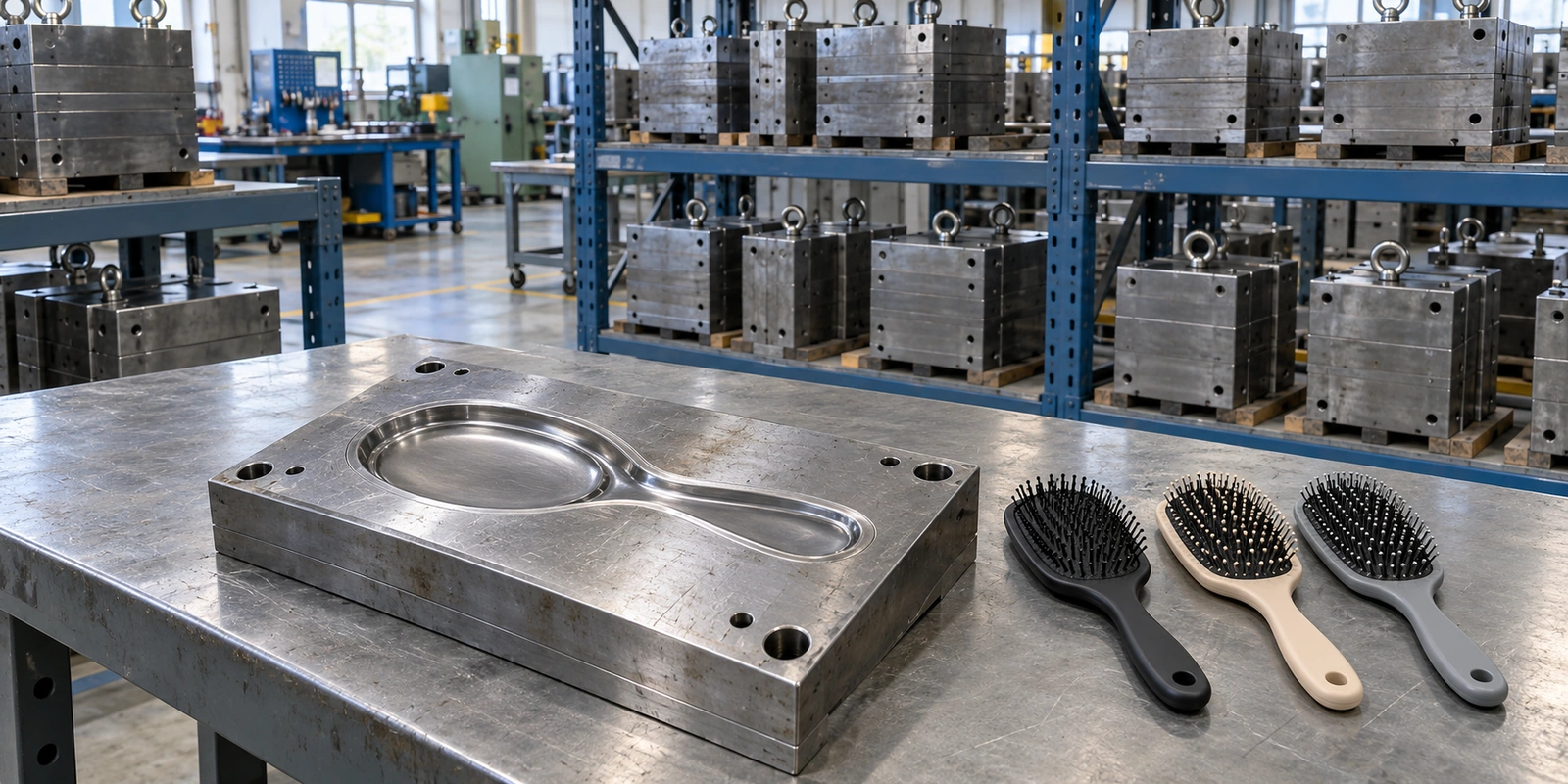
A new handle or head shape needs a full mold set, usually made from steel by injection moulding toolmakers. Minimums start at about 1,000 pieces per SKU and often reach 3,000 or more. The higher figure pays for the mold over a realistic first run.
The Middle Option
Some stock molds accept a changed insert: a new texture, a logo area, or a different head pattern. This costs less than a full mold and sits between the two routes in minimum.
Sampling Time on Each Route
Route choice also changes how soon a buyer sees a sample. A logo or color change on a stock mold commonly takes 7 to 12 business days to sample. A custom shape needs a prototype, then the steel mold, then first-off samples, and that sequence runs to weeks. Brands with a fixed launch date should count that time before choosing the custom route.
Hair Brush MOQ by Brush Type
Within each route, brush type shifts the figure. Materials with batch supply raise the minimum more than machine setup does.
Paddle and Cushion Brushes
Plastic paddle and cushion brushes are the most flexible. With a stock mold, logo, and handle color, about 500 pieces per style is a common starting point.
Detangling Brushes
Detangling brushes are mostly molded, so they follow paddle brush minimums. Flexible pin heads in a custom color add a pin color run.
Round Brushes
Round brushes combine a handle with a barrel and bristles. Ceramic or aluminium barrels in a custom color or coating add their own batch, so minimums often sit higher than for paddles.
Wooden and Acetate Brushes
Wooden brushes usually start at about 1,000 pieces per style, because wood is dried and finished in batches. Acetate handle brushes commonly start at 500 to 1,000 per style. The wooden hair brush range shows stock shapes that keep orders at the lower end.
Certified Wood
A brand claiming responsibly sourced wood needs certified timber, such as FSC-certified beech or bamboo, with chain-of-custody records for the order. Certified stock is bought in batches, so the minimum may rise above the standard wooden brush figure. Natural wood also varies in grain and tone from piece to piece. A range that needs identical color on every brush is better made in molded plastic or acetate.
Components With Their Own Minimums
A brush can meet its MOQ and still be held up by one part. These are the usual ones.
Pin and Cushion Colors
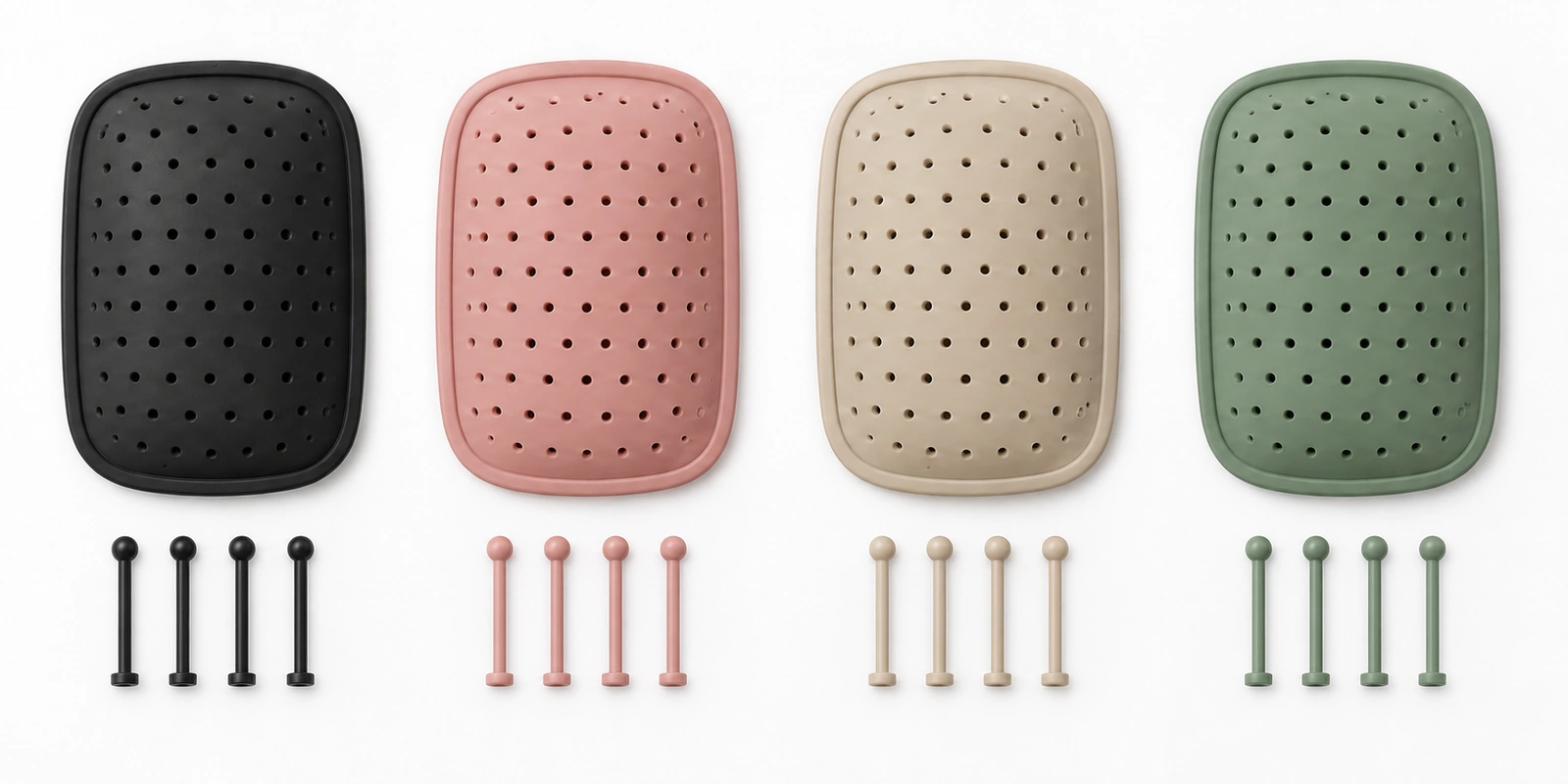
Stock pin and cushion colors carry no extra minimum. A brand-matched cushion color means a dedicated rubber batch.
Boar Bristle
Boar bristle is bought by length and grade. A specific long grade may need to be ordered in volume, especially for a range of several boar brushes.
Printed Packaging
Offset-printed header cards and boxes commonly need 1,000 to 2,000 pieces per design. That can exceed the brush minimum on a first order of 500.
Metal Logo Plates
A raised metal logo needs a small mold of its own. Printing or hot stamping avoids that minimum.
The following video gives a practical overview of the full hair brush manufacturing process.
How Tooling Changes the MOQ Equation
Tooling is the main reason custom designs carry higher minimums. Understanding how it is charged helps buyers judge whether a custom shape is worth it.
Upfront Fee or Spread Into the Price
Factories either invoice tooling once or build it into the unit price over an agreed quantity. The second option makes a small first order look affordable. It costs more if the brush sells well and reorders continue.
Mold Fee Refunds
Some factories refund the mold fee once cumulative orders pass a set volume, sometimes as high as 100,000 pieces. Few new brands reach that figure, so the refund should not drive the decision.
Mold Ownership
Agree in writing who owns the mold, where it is stored, and whether the shape stays exclusive. Paying for a mold does not automatically make it the buyer’s property.
Ways to Start With a Lower Hair Brush MOQ
A first order does not need a custom design. Most private label brush ranges begin on stock molds and move to tooling once a style proves itself.
Start on a Stock Mold
Factories with libraries of 2,000 or more molds can usually match a target shape closely. Change the logo, handle color, and pins first.
Keep Colors and Materials Standard
One style in two stock colors is easier to run than three styles with custom cushions. Add custom colors on the reorder.
Work Out the Real First-Order Size
Minimums multiply across a range. Two paddle styles in two handle colors at 500 pieces per style per color is 2,000 brushes. If each style needs its own printed box at 1,000 per design, packaging alone covers 2,000 boxes. Running these numbers before the first quote request avoids a range that looks small on paper and large on the invoice.
Ask About Reorder Minimums
Repeat orders of an approved style and color often carry a lower minimum than the first run, because the color match and logo setup already exist. Confirm the reorder figure at the start; it decides how lean stock can be kept later.
Accept the Limits of a Small Order
A brand that needs a proprietary handle shape at 300 pieces will not find a sound way to get it. A stock mold now and tooling after the first sell-through is the realistic path. The guide to private label hair brush development covers that sequence step by step.
Frequently Asked Questions
Q: What is the typical MOQ for custom hair brushes?
On a stock mold with a new logo and handle color, factory-direct suppliers commonly start at about 500 pieces per style. Wooden brushes usually start at about 1,000 per style. A fully custom handle or head shape needs new tooling and typically 1,000 to 3,000 pieces or more per SKU.
Q: What is the difference between a stock mold and a custom design?
A stock mold is a brush shape the factory already owns, so only the logo, color, or pins change and no tooling is needed. A custom design is a new handle or head shape that needs its own mold set, which raises both the minimum and the time to first sample.
Q: Can I order fewer than 500 custom hair brushes?
Sometimes, on a stock design in a stock color, with a surcharge for the short run. A custom color, cushion, or printed box at that quantity is harder, because each of those parts has its own batch minimum separate from the brush itself.
Q: Why is the packaging minimum higher than the brush minimum?
Printers price by press setup, so offset-printed cards and boxes commonly need 1,000 to 2,000 pieces per design. A first order of 500 brushes can use a stock box with a printed sticker or a digitally printed card instead.
Q: Do I own the mold if I pay for it?
Not automatically. Ownership, storage location, and exclusivity should be written into the purchase agreement before tooling begins. Without that clause, the factory may treat the mold as its own asset and reuse the shape.
Conclusion
Hair brush MOQ is decided mainly by the choice between a stock mold and a custom design, then by brush type and components with batch supply. Most brands reach the market faster by starting on stock molds and tooling only proven styles.
Manufacturers such as JunYi Beauty, which holds more than 2,000 existing brush and accessory molds at its Dongguan facility, represent the type of custom hair brush manufacturer able to offer both routes and move a brand from one to the other.