A paddle brush cushion pad is the flexible component that supports the pins or bristle tufts within the brush head. Its material, shape, air path and attachment influence how the assembled brush responds to pressure. Buyers need to evaluate those features together before choosing a pad specification.
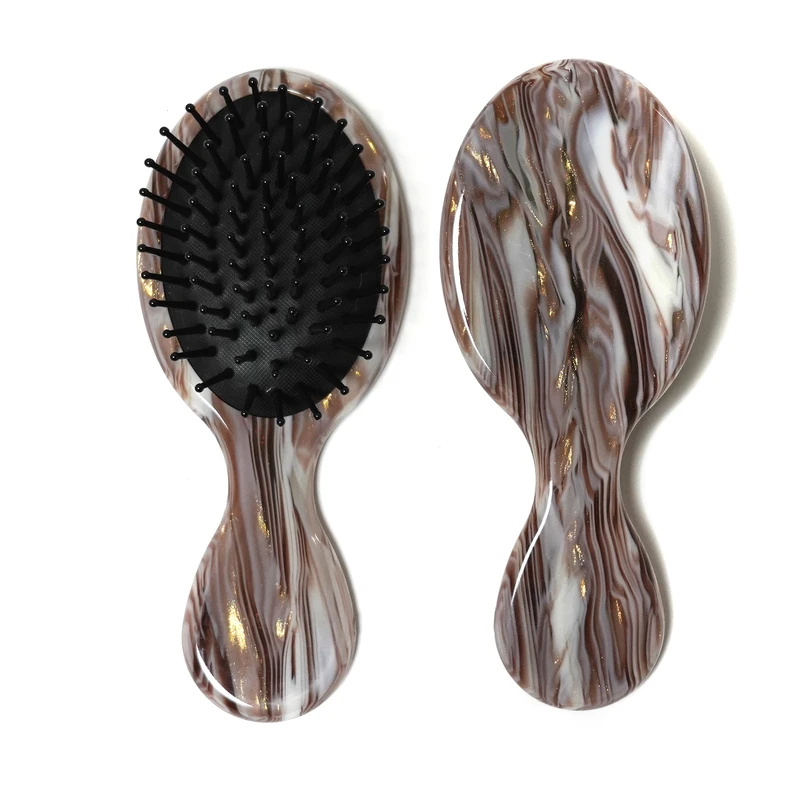
Specify the Cushion as Part of the Assembled Brush
Choose the brushing task before deciding how soft the pad should feel. A paddle hair brush used for smoothing and a compact detangling brush can need different support. Head dimensions, pin length, pin spacing and the user’s expected pressure all affect the assembled response.
Ask for a drawing that identifies the pad outline, dome height, edge profile and position of the air opening where one is used. Include the intended pin or tuft arrangement. The private label customization overview explains the broader component choices. This cushion specification should go further by defining how the chosen parts fit and behave together.
Distinguish Material Feel From Assembly Feel
Material hardness and finished-brush flexibility describe different properties. A thin pad can move differently from a thicker pad made from the same compound. Dome geometry, tension around the rim and the air space underneath also influence movement. Compare candidate pads installed in the same brush construction wherever possible, then record any unavoidable differences.
Retain a reference for the approved assembled feel. A loose material sample can support a formulation discussion, but the buyer also needs a finished sample with the intended pins and body. Use both records when reviewing a proposed material substitution.
Record how pad dimensions are measured. A flexible part can stretch or flatten when held, so the supplier and inspector need the same reference position. Distinguish dimensions measured on the loose part from dimensions measured after installation. Specify which tolerances control fit at the rim and which describe the overall appearance of the dome.
Make Hardness a Measurable Part of the Specification
Words such as soft, medium and firm can start a discussion, but they leave room for inconsistent supply. If hardness is a purchasing requirement, record the measurement scale, method, specimen preparation and acceptable range. Ask whether the supplier measures a suitable material specimen or the finished molded pad.
ASTM D2240 describes durometer hardness testing for rubber. Selecting a method requires attention to the material and specimen. A reading taken on a thin curved pad can be influenced by its support and geometry, so the laboratory should explain how it obtains a valid, repeatable measurement.
Keep the Comparison Conditions Consistent
Ask for results taken under the same preparation and environmental conditions when comparing suppliers. Identify the compound, color, batch and measurement date. Hardness values from different scales or different specimen preparations need a technical review before they can be compared.
Combine those measurements with a controlled finished-brush assessment. Use the same loading position and contact area when checking how far the pad moves. Record the movement and recovery instead of relying on different reviewers’ thumb pressure. The selected bristle or pin construction should remain fixed during that comparison because it changes how the hand loads the pad.
Understand the Air Hole and the Space Beneath the Pad
In a vented cushion design, an opening provides a route for air to move as the pad changes shape. The opening and the space beneath the pad belong to the assembly design. Their position should be identified on the drawing so the factory, inspector and buyer can distinguish an intentional opening from a missing pin or a torn area.
Published vented cushion brush designs illustrate constructions with an air space and openings through the body and pad. That example describes one engineering approach. The buyer’s selected brush needs its own drawing and functional review, including whether air can move through the intended path after assembly.
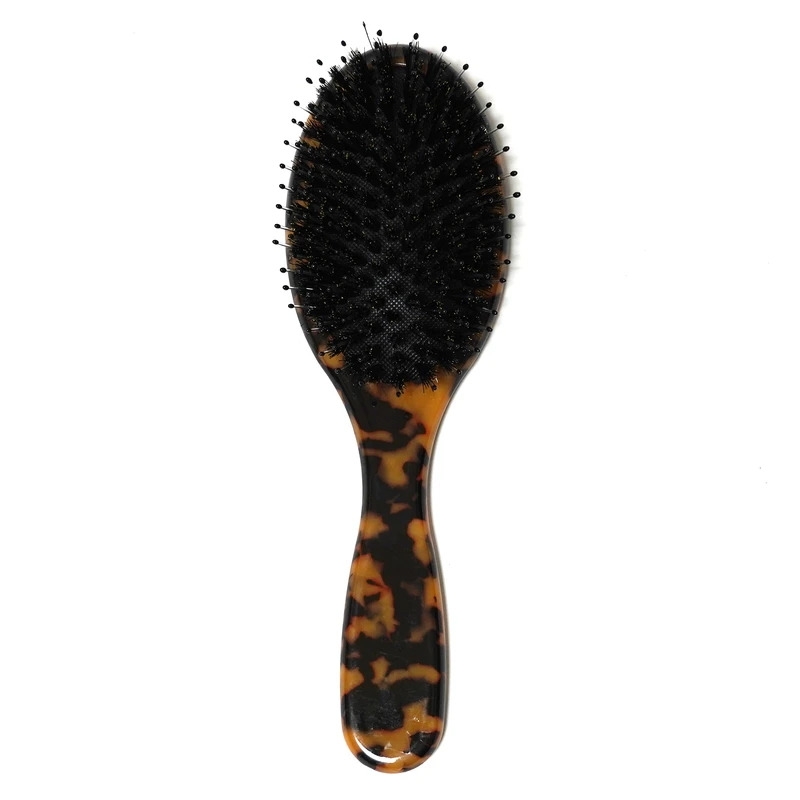
Review the Opening During Assembly
Check whether adhesive, backing material, flash or an incorrectly seated edge can obstruct the designed air path. These are assembly questions that may remain invisible in a product photograph. Press and release the installed pad using an agreed procedure and compare its response with the approved sample.
For a detangling product, assess the complete working face under the intended use conditions. An air opening alone cannot establish a detangling or drying-performance claim. Keep those claims connected to suitable finished-product evaluations and the proposed care instructions.
Evaluate Rebound and Long-Term Shape Recovery
Rebound describes how the pad returns after it is pressed and released. Buyers can compare response using an agreed load or deflection, a defined loading time and a recorded recovery interval. Capture the starting shape and measure any remaining deformation. A consistent method is more useful than descriptions such as “bouncy” or “high elasticity.”
Material compression set provides another type of evidence. ASTM D395 addresses rubber behavior after specified compressive conditions. The laboratory should select a suitable material test and explain its relationship to the proposed use. An assembled pad also needs product-level evaluation because its curved geometry, edge restraint and pins affect its movement.
Include the Relevant Exposure Conditions
If the brush is intended for wet use or cleaning, agree on the exposure and drying procedure before the recovery check. A wooden brush housing can add care constraints to the assembly. Record whether changes occur in the pad, adhesive, pin support or body, since the source of a failure determines the corrective action.
Inspect for local flattening, wrinkles, cracks, edge lifting and uneven response. Compare the center and edge using the same method. Retain photographs after the defined recovery interval. If a new compound is proposed, repeat the relevant checks using a sample made by the intended production process.
Consider the retail pack when choosing the exposure plan. A tightly fitted insert or stacked inner carton can hold pins and the pad under pressure during transport. Compare an unpacked reference with samples kept in the proposed package under agreed conditions. Allow the defined recovery time before deciding whether a change is temporary or remains after unpacking.
Match the Pad to Pins, Tufts and the Housing
A pad supports many individual contact points. Their length, base shape and spacing affect how loads enter the material. A close layout of mixed bristles can behave differently from widely spaced ball-ended pins. The brush retention testing guide explains the separate checks for pin movement, tuft retention and pad attachment.
Review the underside construction and retaining edge where access is available. Ask whether pins are mechanically retained, molded into the pad or installed through another arrangement. Identify what prevents the pad from being pulled out of the body. A buyer needs enough detail to understand the failure mode without assuming that every supplier uses the same assembly.
Use Controlled Comparisons to Resolve Trade-Offs
In a hypothetical comparison, a buyer might receive two pads with similar measured hardness but different dome heights. The taller pad may travel farther before it approaches the housing. To investigate that difference, compare the assembled deflection and recovery while keeping the pins, body and loading procedure consistent. The result helps separate geometry effects from material variation.
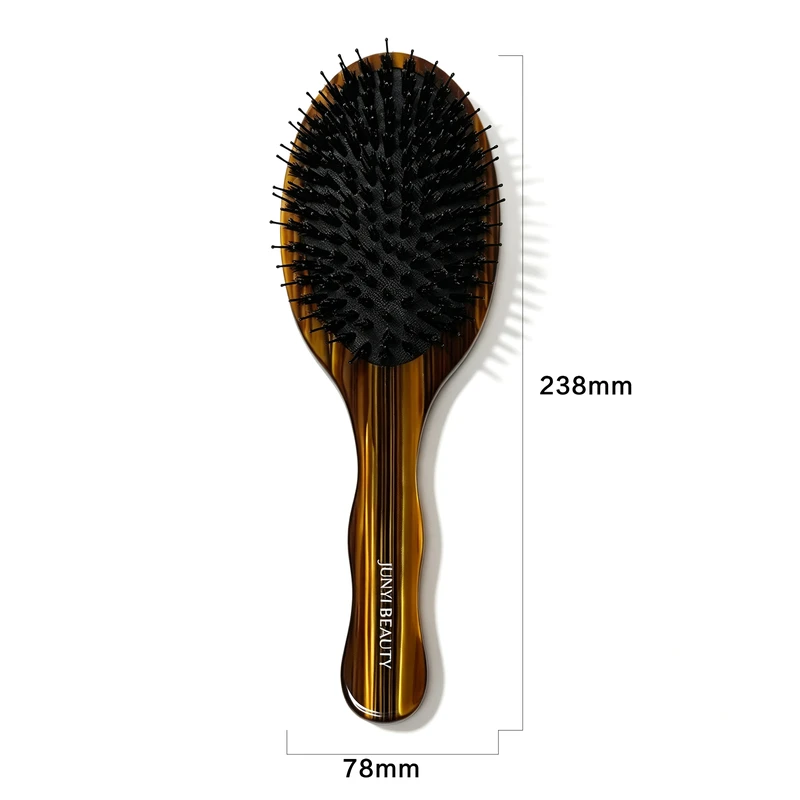
If stronger pin retention requires a construction change, review its effect on the pad’s movement and the brush’s grooming feel. That decision belongs with the brush development review. Treat the accepted combination of pad, pins and housing as one controlled assembly when approving production.
Turn the Sample Review Into an Order Specification
Write the final specification after comparing functional samples. Identify the material reference, hardness method, pad dimensions, air-opening position, pin pattern and attachment details. Include the agreed cosmetic standards and the checks needed after conditioning. Keep a signed or otherwise controlled approval record with the sample revision.
The following matrix connects purchasing language with the evidence needed to assess a cushion pad.
| Criterion | Record | Check |
|---|---|---|
| Material | Compound and batch | Match approved reference |
| Hardness | Scale and method | Compare readings |
| Air path | Opening and clearance | Check after assembly |
| Recovery | Load and timing | Measure shape change |
| Pin support | Pattern and retention | Inspect movement or damage |
| Pad attachment | Edge and fastening | Check lifting or separation |
Include these requirements in the costed brush specification so samples and production are based on the same assembly. Custom brush and comb orders start at 1,000 pieces. Keep the first approved configuration manageable, then evaluate new colors or material sources through the same change-review process.
For production consistency, ask how the supplier identifies incoming pad batches and records the version assembled into each order. A compound reference on the development sample is useful only when production can be traced back to the corresponding source. Keep that information with inspection results and any agreed substitution approval.
Define who can accept a deviation before shipment. A slight cosmetic difference may require a different decision from a pad that stays depressed or allows pins to move. Document the defect, affected quantity and disposition so a one-time concession does not become an unintended change to the normal purchasing specification.
Schedule sample review and any necessary repeat testing before bulk production. The production lead-time guide provides related planning context. If a supplied batch shows flattening or loose pads, the defect investigation procedure should identify the affected lots and preserve failed samples before replacement decisions are made.
FAQ
Can the Pad Be Approved Before Bulk Assembly?
Approve a first assembled sample using the intended pad, pins, housing and attachment process before releasing the remaining units. A loose pad inspection can check dimensions and appearance, but it leaves fit and finished-brush response untested. Keep the assembled approval sample available for the production inspection.
Can a Buyer Choose the Cushion by Color?
Color helps identify a sample, but it cannot establish compound, hardness or recovery. Record the material reference and functional requirements separately. A color change should also be reviewed for any associated formulation change.
Does a Softer Pad Suit Every Brush?
The useful response depends on the complete assembly and intended brushing task. Compare pad movement, recovery and pin support with the same working face. The paddle brush customization guide provides related design context.
Should a Replacement Pad Be Approved Separately?
Yes, evaluate its fit and function in the specified housing. Confirm the pin layout, retaining edge and care instructions. A visually similar replacement can differ in thickness, dome shape or material behavior.
Final Thoughts
Paddle brush cushion pads need a specification that joins material, geometry, airflow and attachment. JunYi Beauty’s manufacturer background provides supplier context. Approve the complete brush response and retain the sample and measurement conditions needed to reproduce it.