
An order defect is a failure to meet an agreed product or packaging requirement. If an order has defects, isolate the affected stock, preserve evidence, and notify the supplier promptly. Replacements, rework, or credits depend on the findings and agreed terms, rather than a universal factory policy.
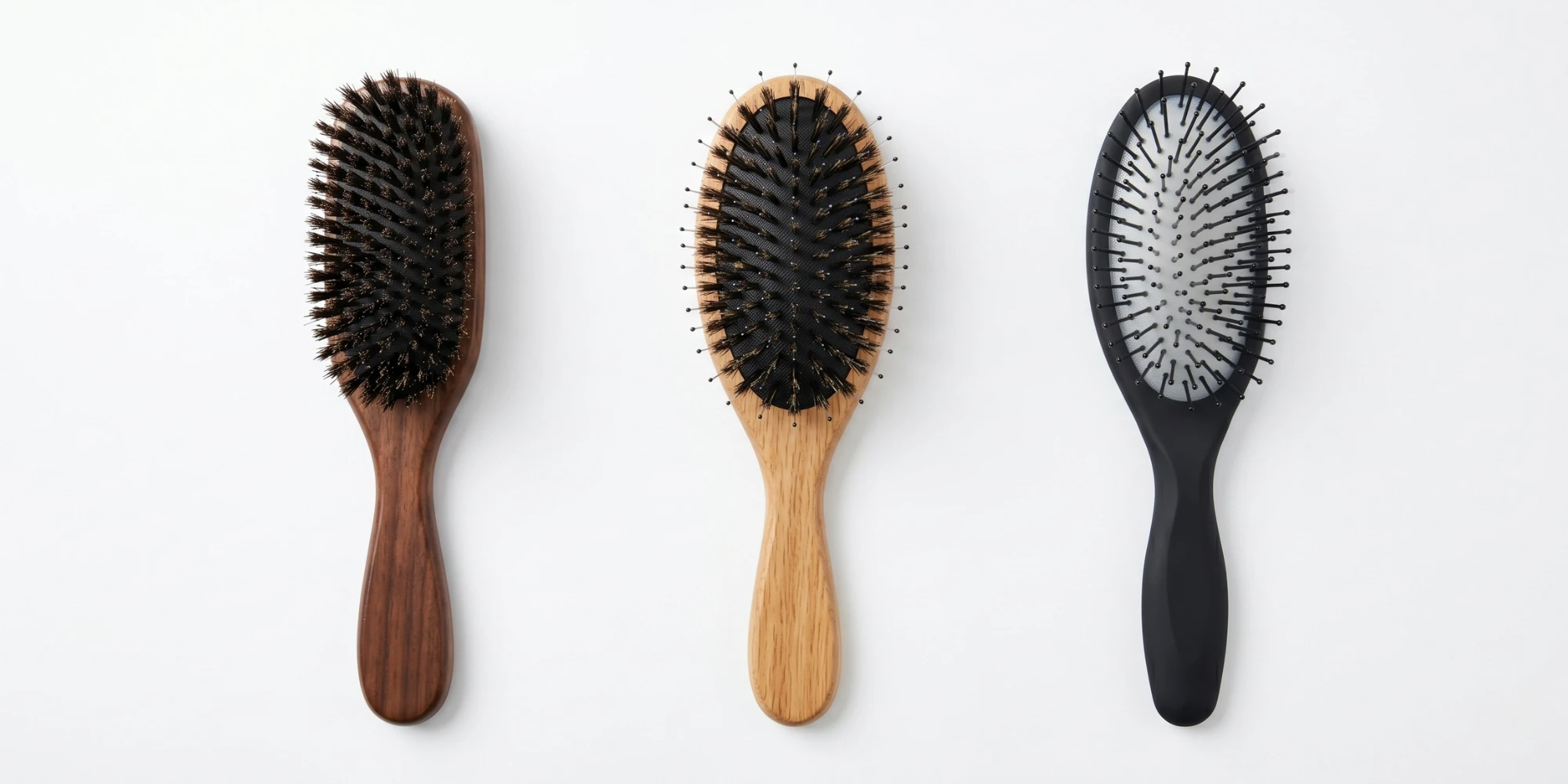
Assess Order Defects Before Releasing Stock
Separate Safety Concerns From Appearance Differences
A scratched handle and an exposed sharp pin need different responses. Put potentially unsafe goods on hold while the responsible product safety personnel assess the issue. A commercial discount does not resolve a safety concern. For U.S. consumer products, the CPSC’s business reporting guidance explains that certain hazards and noncompliance must be reported; an injury does not have to occur first.
For non-safety issues, describe the failed requirement rather than labeling everything “poor quality.” On paddle hair brushes, the complaint might concern pin retention, cushion seating, handle finish, or the wrong packaging. Each needs its own comparison with the approved specification. For combs, identify the affected teeth or dimensions instead of using a general finish complaint.
Keep Transport Damage And Production Evidence Together
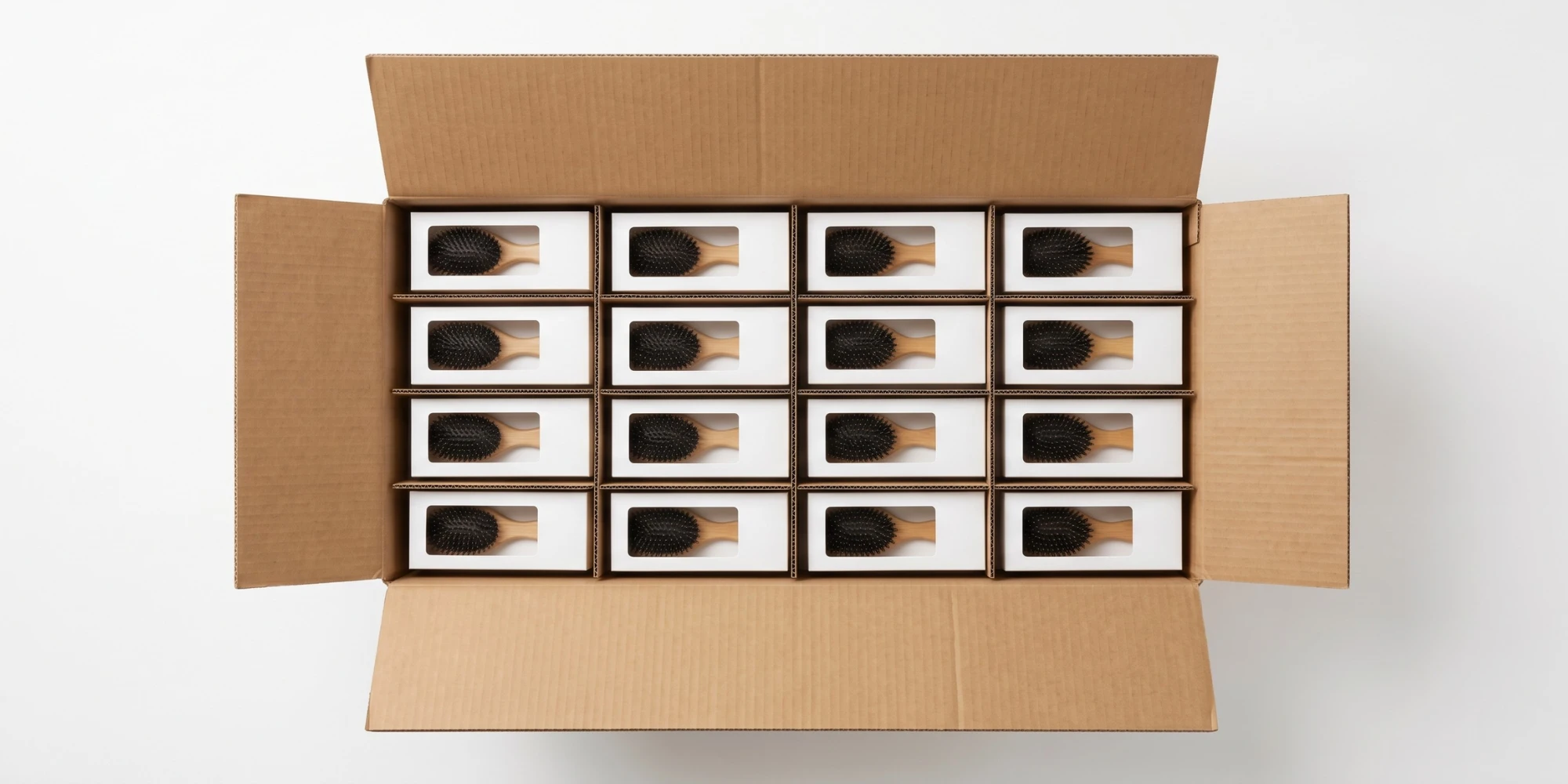
Photograph the carton before unpacking, then the protective material and affected units. Crushed packaging alongside broken handles is useful evidence, but it does not by itself establish who is responsible. Poor protection and handling damage may need investigation together.
Hold the suspect batch separately from released stock. Label its location and prevent mixing with older deliveries. If goods have already moved to another warehouse, trace those transfers so the initial hold does not cover only what remains at the receiving dock.
Build A Defect Claim That Can Be Reproduced
Link Every Finding To A Requirement
A useful claim connects the purchase order, SKU, batch or carton marks, delivery date, and specification revision. Add photographs showing both the complete unit and the fault, with a scale where dimensions matter. Retain representative defective units and acceptable comparison units, identified individually. An unmarked bag of rejected brushes makes later comparison unnecessarily difficult.
For a loose-pin complaint, document what happened and how the brush was handled. If testing is needed, agree the method, equipment, and acceptance criterion before comparing results. A hand-pulled pin and a controlled retention test are different observations; neither should be presented as the other.
Packaging belongs in the evidence set too. Preserve carton labels, dividers, and retail packs where they relate to the complaint. FedEx’s damaged-shipment claim instructions, for example, request supporting documentation and retention of original packaging for possible inspection. Follow the actual carrier’s procedure for the shipment concerned.
State What Was Inspected And What Remains Unknown
Report inspected units and defective units separately, broken down by SKU and defect type. A sample finding is not a confirmed count for the entire shipment. As a hypothetical example, six defective brushes among 100 inspected from a 1,000-unit delivery establish six observed failures. They do not establish that exactly 60 brushes in the delivery are defective.
Also distinguish defective units from defect occurrences. If one brush has both a loose pin and a scratched handle, it is one affected unit with two recorded faults. This distinction prevents a claim summary from overstating the replacement quantity while still preserving both issues for investigation.
Describe how cartons and units were selected, then agree whether broader inspection or sorting is needed. Send the initial notice with known facts and identify pending checks. Follow the contract’s notice requirements and any separate carrier or platform deadlines; there is no single claim window that applies to every purchase.
Agree The Remedy And Its Conditions
Match The Remedy To The Saleable Outcome
The remedy should address the actual nonconformity. A packaging error may be corrected without replacing an otherwise acceptable brush. A functional failure may make sorting or replacement more appropriate. A credit leaves the goods in the buyer’s possession, so it requires a clear decision about whether those goods can be sold, reworked, or must remain on hold.
The following options are negotiation routes, subject to the contract and applicable requirements:
| Option | Possible Use | Agreement Needed |
|---|---|---|
| Sorting | Identifiable affected units | Method, cost, release criteria |
| Local Rework | Correctable packing error | Approved work and verification |
| Replacement | Units needing substitution | Quantity, specification, dispatch |
| Credit Or Refund | Agreed financial settlement | Amount, timing, goods disposition |
Resolve Freight, Timing, And The Remaining Goods
Replacement quantity and replacement logistics are separate decisions. Confirm the dispatch date, freight payer, delivery destination, packaging, and inspection of the replacement batch. Units added to a future order may not solve an immediate stock shortage, while urgent separate dispatch brings another freight decision.
For a credit, identify the invoice it will offset and whether another order is required to use it. A nominal credit tied to an unplanned future purchase is different from a refund available now. Put the agreed arrangement in the claim record so purchasing and accounts teams work from the same settlement.
Record sorting, storage, rework, and disposal costs separately from the product claim, with supporting records and written agreement on reimbursement. Do not assume all consequential costs are automatically recoverable. Before returning or destroying goods, obtain the necessary instructions from the relevant parties and preserve the required evidence.
Prevent The Same Defect On The Next Order
Investigate Both The Cause And The Missed Detection
A replacement settles the affected quantity; it does not explain why the fault occurred. A useful corrective-action response identifies the cause, immediate containment, permanent change, responsible person, and evidence that the change works. The ASQ eight disciplines approach separates containment, verified root causes, and validation of corrective action, including why the problem escaped detection.
For a hypothetical repeated loose-pin failure, “inspect more carefully” leaves the production cause unresolved. Investigation might examine component fit, assembly conditions, and the inspection method. Those are possible investigation areas, not a diagnosis. The selected change should follow the evidence rather than whichever explanation is easiest to write in a report.

Verify The Change Before Closing The Claim
Close the prevention work against a defined verification result. Name the next production batch, affected characteristic, test method, sample selection, and acceptance rule. Keep the before-and-after results with the claim record. If the same failure returns, that history allows the buyer and supplier to revisit the explanation instead of starting another disconnected complaint.
For transit-related breakage, review the hair brush packaging configuration as well as product strength. A changed divider or packing arrangement should be evaluated with the intended product and shipping conditions. An attractive retail box alone does not demonstrate adequate protection through distribution.
Keep product and packaging changes under revision control. If both change at once, record both; otherwise, a later successful delivery cannot clearly show which change addressed the problem. Preserve the original failure description alongside the revised requirements.
Put Defect Terms In The Next Purchase Order
Use the claim to close gaps in the purchasing documents. If appearance was disputed, add agreed defect examples and viewing conditions. If a test produced conflicting results, specify the method. If the affected batch could not be traced, add identification requirements that remain visible through warehouse handling.
The next order should distinguish acceptance inspection from later-discovered defects. An inspection result records what was checked under that plan; it should not be described as proof that every unit is defect-free. Keep contractual remedies and notice arrangements explicit rather than assuming a sampling “pass” settles every possible later complaint.
The custom hair brush pre-order checklist covers the broader specification and approval stage. For defect handling, add these practical terms:
- Named claim contacts and the required notice channel.
- Evidence, retention, and inspection arrangements.
- How remedy quantities and related costs will be agreed.
- Replacement acceptance, goods disposition, and closure records.
These are matters to settle for the particular purchase. They do not imply that every supplier offers the same warranty, free replacement, or reimbursement policy.
Frequently Asked Questions
Does A Customer Return Prove A Manufacturing Defect?
No. Record the reported failure, batch, period of use, and handling information, then examine the returned unit where possible. A return is evidence of a reported problem, not a confirmed cause. Keep an individual complaint separate from a verified batch finding, while escalating any safety information promptly.
Can A Different Brush Model Be Sent As A Replacement?
Only treat that as an agreed substitution. A different model may change dimensions, performance, packaging fit, or product descriptions. Review it against the intended use and channel requirements, and document approval before dispatch rather than assuming equal quantity means an equivalent remedy.
What If The Supplier And Buyer Disagree About Color?
Bring the agreed physical reference, specification revision, and viewing or measurement conditions into the same review. Phone photographs can document a complaint but should not become an unagreed color standard. If no acceptance method was defined, agree a comparison process before deciding the remedy.
Final Thoughts
Order defects need a traceable claim, an agreed remedy, and verified prevention. JunYi Beauty is a Dongguan manufacturer offering OEM/ODM hair brushes and accessories; the applicable claim and replacement terms should still be documented for each purchase.