Hair brush quality testing is the controlled assessment of bristle retention, pin security and the durability of the finished assembly. A useful test plan explains how a sample is held, loaded and judged. Buyers can then compare suppliers using repeatable evidence before approving bulk production.
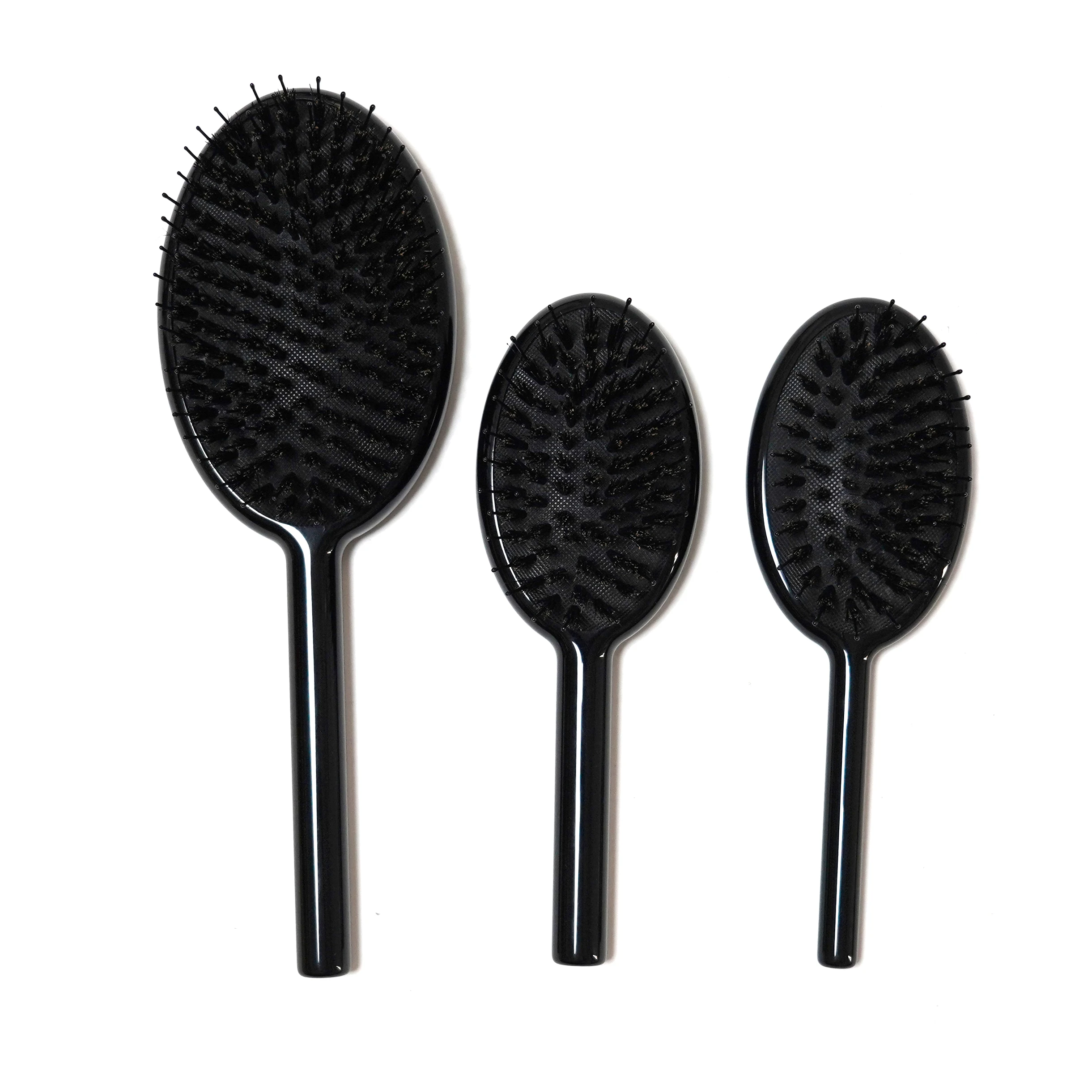
Define What the Brush Must Withstand
Begin with the intended brushing task and the exact construction. A flexible detangling brush, a cushioned paddle and a round styling brush place different demands on pins, tufts and handles. The test brief should state wet or dry use, expected cleaning, heat exposure and the hair types used for any grooming evaluation.
Identify the brush model, working face, pin or filament material, tuft arrangement and head attachment. These details determine what a pull test measures. A molded flexible tooth, an individual pin inserted through a cushion and a staple-set tuft have different retention mechanisms. The bristle types guide provides background for distinguishing those constructions.
Separate Three Types of Result
Retention, durability and hair performance need their own evidence. Retention describes how securely a component is held. Durability concerns its behavior after defined exposure or repeated use. Hair performance concerns the interaction with the hair, such as grooming force or breakage. A buyer can require all three, but the inspection report should say which question each method answers.
Specify the development sample revision and retain an untested reference. Record the conditioning period and environment used by the laboratory. When two suppliers submit results, matching the sample construction and test conditions is the first step toward a meaningful comparison.
Set Up a Repeatable Bristle Pull-Out Test
A pull-out assessment applies tensile loading to the selected bristle, tuft or pin while the brush is held in a fixture. The fixture needs to support the head without crushing the cushion or adding a bending load that changes the result. The grip must hold the selected specimen securely enough for the intended measurement.
Instrument manufacturer ZwickRoell explains that appropriate specimen grips are fundamental to reliable testing. For a hair brush, ask the laboratory to document the grip type, clamped length, pulling direction, loading rate and force measurement system. A photograph of the setup is useful alongside the written method.
Record the Failure Mode
A peak force alone can hide what happened. The filament might break, the tuft might pull from its socket, a pin might move through the pad or the specimen might slip inside the grip. Record that outcome for every test location. Grip slippage should trigger a setup review because the result may reflect the holding method.
Choose locations across the head, including areas near the edge and center, and record each position. Avoid repeatedly loading neighboring tufts if the first test could damage their support. Product-specific acceptance limits and the location plan should be agreed before testing. The private label brush specification should identify the same construction and revision as the tested samples.
Request the individual readings alongside any average. One unusually weak location can disappear inside a satisfactory mean, especially when results come from different rows or head sizes. Include the specimen count and location map so the reviewer can see whether an apparent problem is concentrated around the edge, near the handle or across the entire working face.
When a laboratory provides a force-displacement trace, review it with the observed failure. A sudden drop may correspond to a release, while progressive movement can require a closer look at the fixture or assembly. Ask the operator to explain the event shown in the record. Keep the trace associated with the specific sample and position.
Test Pin Retention and Cushion Attachment Separately
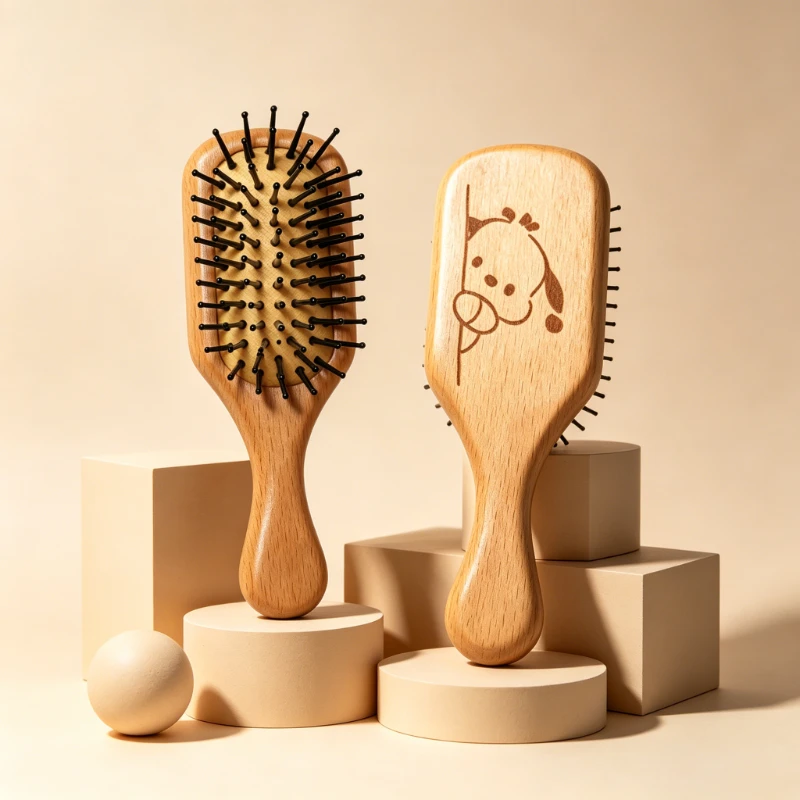
A paddle hair brush may have strong pins while the cushion edge lifts from the body. The pad can also tear locally, allowing a pin to move without the pin itself breaking. Inspection should therefore distinguish individual pin retention, pad integrity and the attachment of the pad to the housing.
Map the visible failure before drawing a conclusion about its cause. A detached pad edge can involve the retaining geometry, adhesive, assembly pressure or material compatibility. A pin pushed through the pad suggests a different investigation. Give the supplier photographs of the exact location and retain the failed sample for examination.
Keep the Assembly Conditions Consistent
If the buyer compares two cushion options, use the same body, pin layout and sample preparation where possible. Changing the entire brush at once makes the cause of a performance difference difficult to identify. Record any construction differences that must remain in the comparison.
For a wooden brush body, also examine the housing and edge finish after the specified conditioning. The acceptance plan should cover sharp edges, splitting and a loose head connection where relevant. Keep appearance criteria separate from the mechanical measurements so one type of defect cannot conceal another.
Plan Durability Exposures Around Intended Use
Durability testing becomes useful when the exposure represents an identified use condition. Wet detangling, routine cleaning and blow-drying can call for different preparations. Ask the buyer and laboratory to define the exposure, duration, recovery period and checks afterward. Tie those conditions to the product’s instructions and intended claims.
A round styling brush intended for use with a dryer requires a different heat assessment from a brush positioned for unheated grooming. A hot-air electrical brush adds electrical safety questions beyond this mechanical inspection plan. Keep the selected method within the construction and product category it is meant to assess.
Compare Before and After Conditioning
Measure the same relevant properties before and after exposure. Record pin movement, pad recovery, coating changes and handle or head looseness. If the evaluation is destructive, allocate matched specimens to each condition. Pulling a tuft once can alter the assembly, so a second result from that exact damaged location would need careful interpretation.
Cleaning compatibility also belongs in the brief. Identify the cleaning agent, dilution and contact method used in the evaluation, then compare it with the proposed care instructions. The boar bristle care discussion provides related product context. The laboratory should document any departure from normal care as an accelerated or special test condition.
Connect the Inspection Plan to a Buying Decision
Use an inspection matrix to keep the test method, sample identity and decision rule together. Terms such as “strong bristles” leave too much room for interpretation. Agree on the measured property and the action to take when a result falls outside the approved requirement. Keep the laboratory’s method reference with the purchasing specification.
The following matrix describes the information a buyer can request. Numerical limits should be established for the actual product and agreed evaluation method.
| Check | Record | Decision Question |
|---|---|---|
| Tuft pull-out | Force and failure mode | Is retention acceptable? |
| Pin security | Location and movement | Does the pin remain seated? |
| Cushion attachment | Lift, tear or separation | Is the assembly secure? |
| Conditioned durability | Exposure and resulting changes | Does function remain acceptable? |
| Finish inspection | Surface and edge defects | Does it match approval? |
Define Sampling Before the Shipment Inspection
Decide how production samples will be selected and which checks are destructive. ISO 2859-1 describes sampling schemes for inspection by attributes. If such a scheme is used, specify the applicable edition, inspection level, defect classes and acceptance criteria. A sampling standard and a mechanical test method perform different roles in the inspection plan.
Include the expected test turnaround in the brush production schedule. A dispatch date that leaves no time to investigate a failure weakens the value of testing. Set a document release milestone before the goods are cleared to ship.
Investigate Shedding Without Confusing Different Failures
When loose material appears after brushing, identify whether it is a complete tuft, a broken filament, an individual pin or hair from the test tress. Collect and photograph the material under consistent lighting. Compare the working face before and after the test to locate any missing components.
A hypothetical mixed-bristle brush might release short fragments while its tuft bases remain fixed. A pull test could show acceptable base retention, yet the fragments would still require a filament damage investigation. Another brush might lose an entire tuft with little filament breakage. Those cases lead to different corrective actions, so the report should preserve the distinction.
Support Hair-Performance Claims With Appropriate Studies
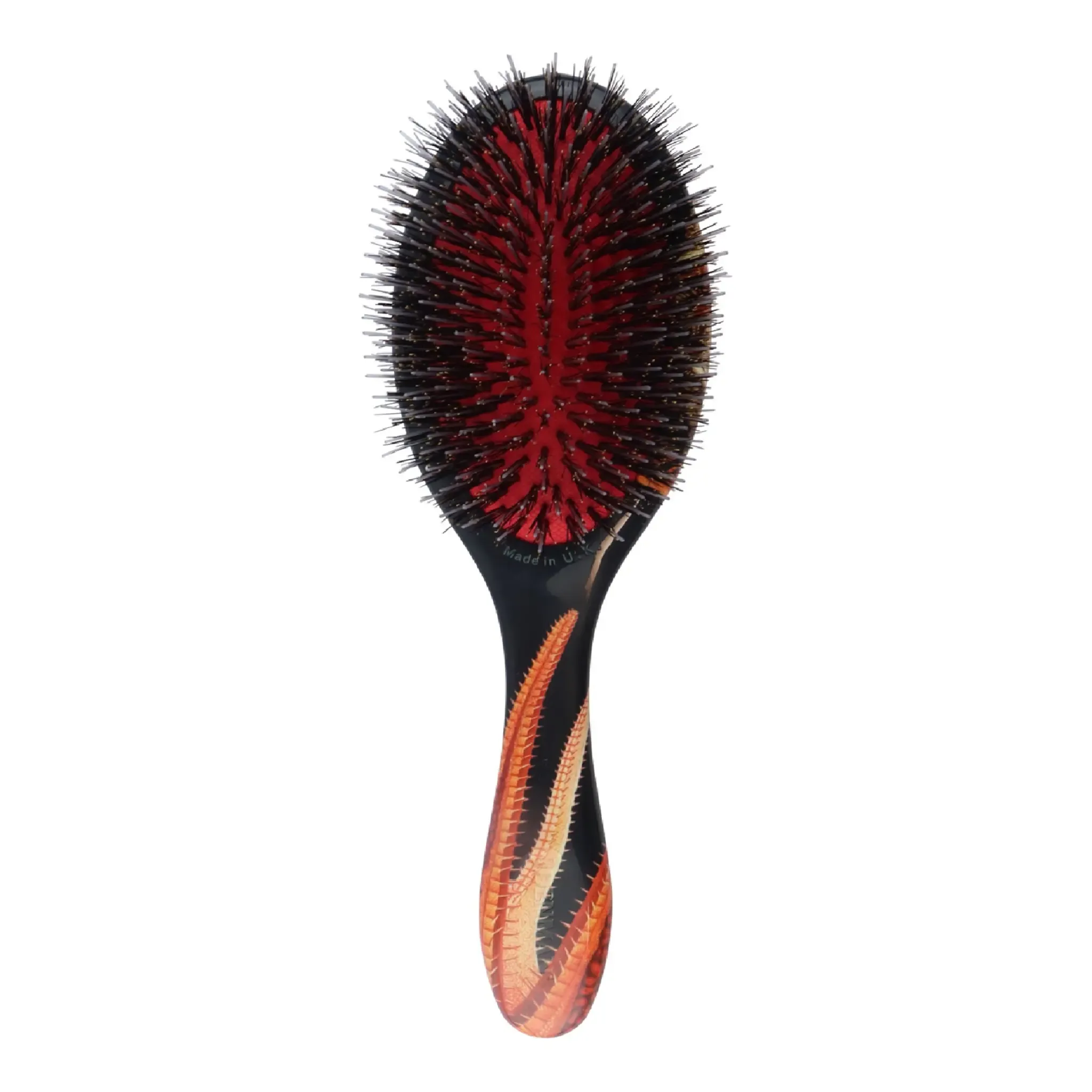
TRI Princeton describes repeated grooming and ease-of-combing assessments that address hair performance. If a brand wants a breakage or detangling claim, define the tress type, preparation, comparison product and endpoint with the testing laboratory. A component pull test cannot supply those hair-performance results.
When results fall outside the agreed specification, follow the defect and corrective-action process. Identify affected lots, review material or assembly changes and agree on verification after correction. Retain both the failed sample and a reference from acceptable production where available.
Retesting should follow a recorded correction. For example, if the supplier changes the tuft-setting operation, identify which machine setup and production dates use the revised process. Select verification samples from that production and apply the agreed method again. This makes the new result evidence of the corrective action and helps prevent an unrelated sample from being used to release the affected shipment.
FAQ
How Should Two Laboratories Resolve Conflicting Results?
Compare specimen identity, conditioning, fixtures, grip length, pulling direction, loading rate and failure mode before comparing numbers. Arrange a repeat assessment using matched samples and the agreed method. Averaging results from incompatible setups would conceal the disagreement rather than explain it.
Can Factory Photographs Establish Test Performance?
Photographs can show the setup or sample condition. Request the method, sample identities, individual results and decision rule as well. Those records explain what was tested and how the conclusion was reached.
Should Decorative Changes Trigger New Checks?
Review what changed. A new coating, adhesive, body material or process can affect cleaning behavior or assembly. The brush logo method should be evaluated with the actual surface and finish used.
How Should a First Order Be Planned?
Custom brush and comb orders start at 1,000 pieces. Include testing and retained samples in the development brief. The startup order guide provides related planning for keeping the first specification manageable.
Final Thoughts
Hair brush quality testing works when the method, failure mode and acceptance criteria describe the same product. JunYi Beauty’s brush development process provides manufacturing context. Keep component checks, durability exposures and hair-performance evidence connected to the approved sample.