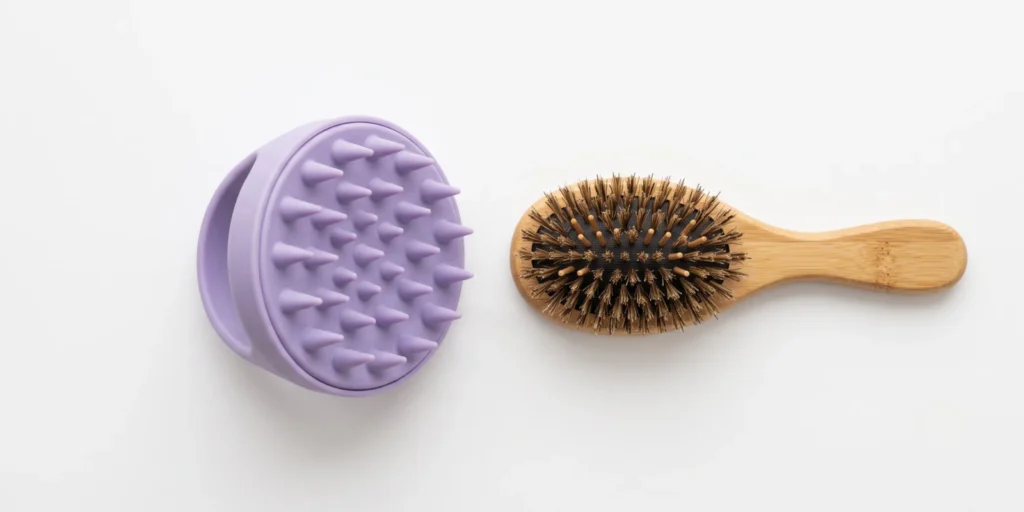
Scalp brushing has become one of the fastest-growing categories in the hair and scalp care segment, with dedicated scalp massage brushes, exfoliating scalp scrubbers, and scalp stimulation devices marketed as solutions for hair loss, thinning, dandruff, product buildup, and general scalp health. The claims made across the category range from the modestly supported to the actively overreaching, and consumer confusion about which claims to believe is significant.
This article examines the actual evidence base behind scalp brushing — separating what peer-reviewed research supports, what appears plausible but lacks strong evidence, and what is essentially marketing extrapolation from unrelated mechanisms. For consumers making purchase decisions and for B2B buyers building scalp brush ranges within broader hair brush or wellness product categories, understanding this distinction determines whether a scalp brushing product delivers on its promises or generates the disappointment that drives negative reviews.
Why the Scalp Brushing Category Has Grown
Before examining what scalp brushing actually does, it is worth understanding why the category has expanded so rapidly.
The intersection of several trends has created strong consumer demand. Public awareness of scalp health as a distinct category from hair health has increased through professional dermatology communication and social media education. Hair loss and thinning concerns — particularly in women — have entered mainstream consumer conversation in ways that were previously stigmatised. The broader wellness and self-care category has expanded to include grooming rituals framed as therapeutic practices rather than functional necessities. And the affordability of scalp brushing tools relative to prescription hair loss treatments makes them accessible to consumers looking for interventions that fit within a normal beauty routine.
This context matters because it explains why consumer demand for scalp brushing products has outpaced the evidence base supporting the specific claims made about them. Genuine interest in scalp care is legitimate; the specific mechanisms attributed to brushing tools require separate scrutiny.
What the Evidence Actually Supports
Product and Sebum Removal from the Scalp Surface
The clearest and best-supported benefit of scalp brushing is mechanical removal of accumulated product residue, sebum, dead skin cells, and environmental particles from the scalp surface. This is a straightforward physical effect — bristle or silicone nub contact with the scalp lifts and dislodges surface material that shampoo alone may not fully clear, particularly around the follicle openings.
For consumers who use heavy styling products, dry shampoo, or leave-in conditioners regularly, product buildup at the scalp is a real problem that contributes to itching, dullness, and a heavy feel at the roots. Scalp brushing before or during shampooing helps remove this buildup more effectively than shampooing alone. This is a mechanism that requires no speculation — it is simply mechanical exfoliation, and it works.
Silicone scalp brushes are particularly effective for this function because the flexible silicone nubs can penetrate through wet hair to the scalp surface without becoming clogged with hair the way bristle brushes do during shower use. Passive bristle scalp brushes work similarly when used on dry hair before washing.
Massage-Related Relaxation
Scalp massage — with hands or with a brush — produces a measurable relaxation response in most people. The scalp has a high density of nerve endings, and gentle pressure and movement across the scalp surface activates parasympathetic nervous system responses associated with reduced stress. For consumers who use scalp brushing as part of a bedtime or self-care routine, the perceived relaxation effect is real, even if the mechanism is not specifically related to hair growth or scalp health.
Scalp massage has been studied in the context of stress-related headache management and general relaxation, with modest but consistent positive findings. Whether the massage is delivered by hand or by brush is not particularly important — the mechanism is the pressure and movement, not the tool.
Circulation Stimulation (Modest Effect)
Physical massage of the scalp does increase local blood flow to the scalp tissue. This is a well-established physiological effect — mechanical stimulation of tissue increases local circulation temporarily, and the scalp is not an exception. The temporary circulation increase is a real, measurable effect of scalp brushing.
Whether this increased circulation produces meaningful downstream effects on hair follicle function and hair growth is a separate and less clearly established question — addressed in the section below.
What the Evidence Partially Supports
Scalp Massage and Hair Growth
One study in particular is frequently cited in scalp brushing marketing: a 2016 study in Eplasty by researchers Koyama, Kobayashi, Hama, and colleagues, which found that daily scalp massage in men over 24 weeks was associated with increased hair thickness. The study used a dedicated massage device rather than a brush, and the sample size was small (nine participants).
A larger survey study by the same research group in 2019 found self-reported hair loss stabilisation and improvement in a subset of participants who performed daily scalp massage over a period of months. This was a survey rather than a controlled trial, and the findings should be interpreted accordingly.
The evidence base is genuinely present but modest. Scalp massage appears to have some association with hair growth outcomes in some studies, but the effect size is not comparable to established pharmaceutical hair loss treatments (minoxidil, finasteride), the study durations required are long (months, not weeks), and consistent daily practice appears to be required.
The honest interpretation: Scalp massage may have a modest positive effect on hair thickness and hair loss stabilisation with consistent daily practice over months. This effect is likely genuine but small, and it is not a substitute for medical treatment of underlying hair loss conditions. Scalp brushes that facilitate consistent, comfortable scalp massage may contribute to this outcome; the specific brush is less important than the practice.
Improved Product Absorption
Some marketing claims suggest that scalp brushing enhances the absorption of topical scalp treatments — hair growth serums, dandruff treatments, or scalp oils. The plausible mechanism is that removing surface buildup allows topical products to reach the scalp surface more directly, and that increased local circulation may enhance absorption of active ingredients.
The evidence supporting this specifically is weaker than for the mechanical removal and massage effects above. It is a plausible mechanism, but the clinical significance is unclear. For consumers using topical scalp treatments, brushing before application to remove surface buildup is a reasonable practice, but the incremental effect on absorption should not be overstated.
Dandruff Management
For consumers with mild seborrheic dermatitis (dandruff), gentle mechanical exfoliation of the scalp during shampooing helps remove flakes and product buildup that contribute to the visible symptom. This is genuinely useful as part of a management routine.
For more severe seborrheic dermatitis, psoriasis, or fungal scalp conditions, mechanical brushing alone is insufficient — these conditions require targeted anti-fungal or anti-inflammatory treatment. Scalp brushing may complement medical treatment but does not replace it. Aggressive brushing on inflamed or lesioned scalp skin can worsen the condition.
What the Evidence Does Not Support
Reversing Male or Female Pattern Baldness
Male pattern baldness (androgenetic alopecia in men) and female pattern hair loss (androgenetic alopecia in women) are driven by genetic and hormonal factors — specifically the action of dihydrotestosterone (DHT) on hair follicles in susceptible individuals. No brushing, massage, or mechanical scalp intervention has been demonstrated to reverse or halt this process.
Claims that scalp brushing “regrows hair” for consumers with pattern baldness are not supported by the evidence. The established treatments for androgenetic alopecia are pharmaceutical (minoxidil, finasteride, in some cases dutasteride) and procedural (hair transplantation, low-level laser therapy in some studies). Scalp brushing is not among the treatments demonstrated to alter the underlying pattern hair loss process.
For consumers experiencing pattern hair loss, the appropriate course of action is consultation with a dermatologist rather than reliance on scalp brushing as a primary intervention.
Regrowing Hair in Bald Areas
Related to the above but worth stating separately: hair follicles that have become dormant or miniaturised due to androgenetic alopecia do not respond to mechanical stimulation alone. Areas that are already bald cannot be regrown by brushing. Marketing that implies otherwise misrepresents the mechanism.
Some interventions can revive miniaturised follicles that have not yet fully died — most established being minoxidil — but scalp brushing is not one of them.
Detoxifying the Scalp
The claim that scalp brushing “detoxifies” the scalp or “removes toxins” is not scientifically meaningful. The scalp does not accumulate toxins that mechanical brushing removes. Product buildup, sebum, and dead skin cells are removed — this is described accurately as exfoliation or cleansing, not detoxification. The word “detox” applied to scalp brushing is marketing language rather than a description of a physical process.
Preventing Grey Hair
No mechanical intervention has been demonstrated to affect hair pigmentation. Greying occurs due to reduced melanocyte activity in the hair follicle, driven by genetic factors, oxidative stress, and age. Scalp brushing does not affect this process. Claims that scalp brushing prevents or reverses greying are unsupported.
Types of Scalp Brushes and Their Practical Differences
Silicone Scalp Brushes
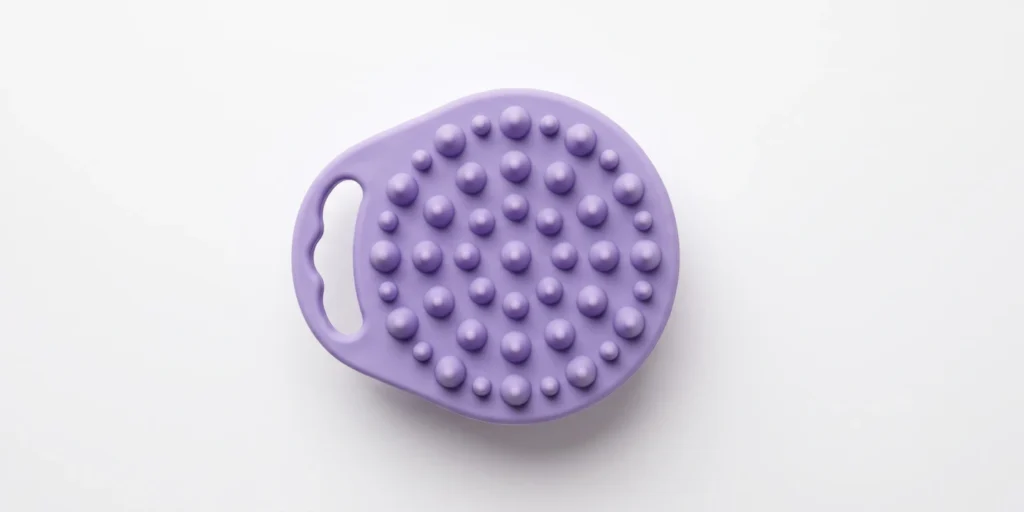
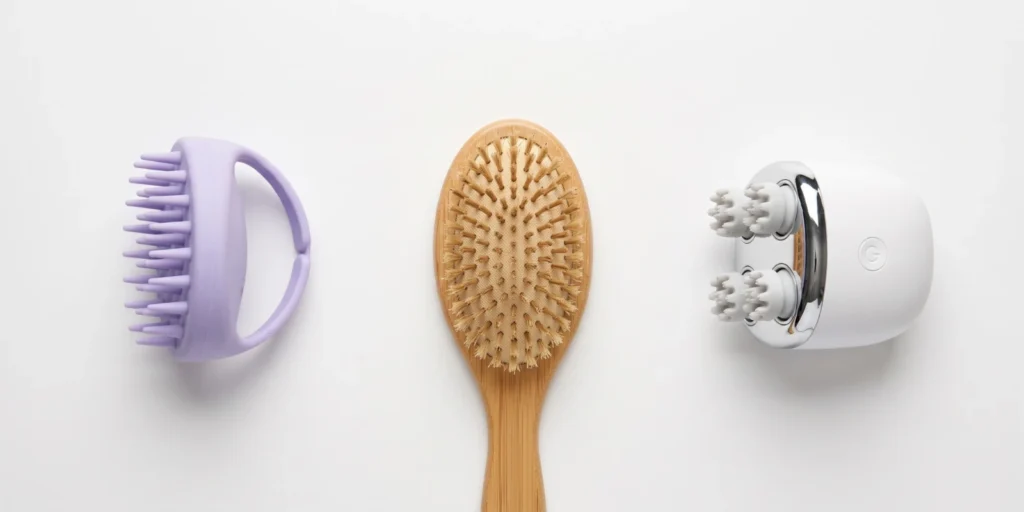
Flexible silicone nubs on a hand-held base, typically small and dome-shaped for use in the shower. The dominant format in the current market. Effective for wet-hair use during shampooing, easy to clean, hygienic (no bristle absorption of product residue), and generally the most comfortable option for daily scalp cleansing.
Best suited for: shower use with shampoo, product buildup removal, mild dandruff management, general scalp cleansing routine.
Natural Bristle Scalp Brushes
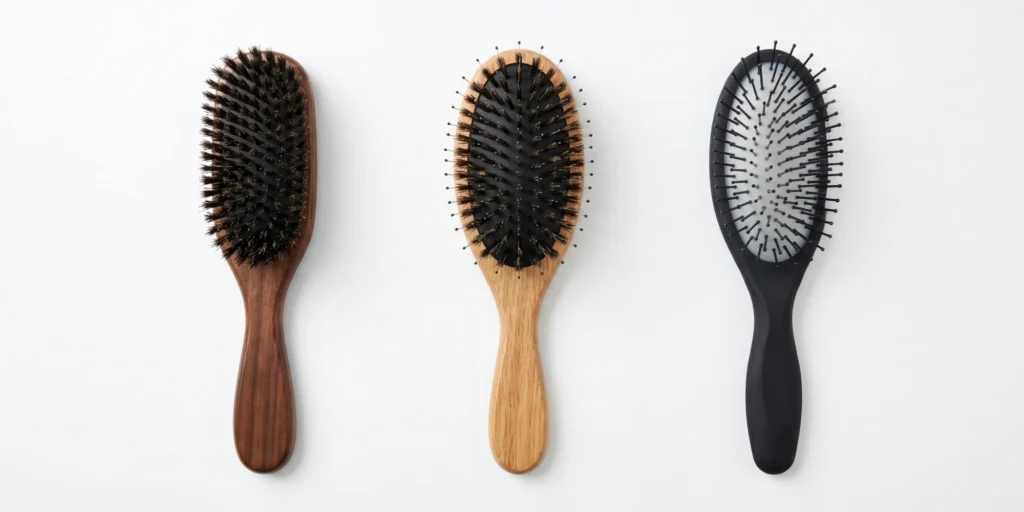
Boar bristle or goat hair brushes designed with a dome or cushioned base for dry-hair scalp stimulation. These distribute scalp oils across the hair length during use (similar to boar bristle paddle brushes for hair smoothing), and provide gentler scalp contact than harder synthetic pins.
Best suited for: dry-hair pre-wash brushing, sebum distribution, gentle daily scalp stimulation for consumers with fine or sensitive scalp.
Electric Scalp Massagers
Battery-powered handheld devices with rotating or vibrating nub heads for scalp massage. Some models are waterproof for shower use. These provide more consistent pressure and movement than manual brushing and may be more comfortable for consumers with limited hand mobility.
Best suited for: consumers seeking the scalp massage component specifically, users who prefer automated over manual scalp interaction, and integration with scalp serum application routines.
Boar Bristle with Cushioned Base
Standard boar bristle paddle brushes with cushioned bases also provide some scalp stimulation during daily hair brushing, without being marketed specifically as scalp brushes. For consumers who want a general-purpose brush with modest scalp benefit rather than a dedicated scalp brushing tool, a cushion-base boar bristle brush combines both functions. The bristle-type framework for these is covered in our guide on whether boar bristle brushes genuinely reduce frizz.
How to Use a Scalp Brush Effectively
Frequency
Daily use is appropriate for both dry-hair scalp brushing (natural bristle) and in-shower use (silicone). Multiple sessions per day are unnecessary and, particularly with silicone nubs, can produce scalp irritation from mechanical over-contact.
Pressure
The most common mistake is using excessive pressure. Firm pressure does not increase the massage or exfoliation benefit and can cause irritation, redness, and hair breakage at the roots. Gentle to moderate pressure — enough to feel contact without discomfort — is the appropriate range. If the scalp feels sore during or after brushing, the pressure has been too high.
Direction and Movement
Circular movements distribute contact across the scalp surface more evenly than back-and-forth strokes. Working systematically across the whole scalp — front to back, temple to temple, crown to nape — ensures even coverage. Focusing exclusively on one area concentrates mechanical stress unnecessarily.
Wet Versus Dry Use
Silicone scalp brushes are designed for wet-hair use during shampooing. Natural bristle scalp brushes are typically used on dry hair before washing. Using a bristle scalp brush on very wet hair introduces the same risks as brushing wet hair generally — the hair shaft is more vulnerable to mechanical stress in its wet state. The general framework for wet-hair brushing is covered in our article on whether it is bad to brush wet hair.
Duration
Two to five minutes per session is sufficient for both mechanical cleansing and massage benefit. Extended sessions do not scale the benefit and increase the risk of irritation.
Who Should and Should Not Use Scalp Brushes
Suitable Candidates
Consumers with product buildup issues, oily scalp, mild dandruff, or general interest in adding a scalp care step to their routine will typically find scalp brushing beneficial. Consumers using topical scalp treatments (growth serums, oils) may find brushing before application useful for surface preparation. Consumers seeking a relaxation ritual as part of self-care will find the massage component genuinely pleasant.
Consumers Who Should Avoid or Use Caution
Active scalp conditions: Consumers with active seborrheic dermatitis flares, psoriasis lesions, scalp folliculitis, or other inflammatory scalp conditions should avoid mechanical brushing on affected areas until the condition is medically managed. Brushing over inflamed skin worsens irritation and can spread infection in some conditions.
Recent scalp procedures: Consumers who have had recent hair transplant procedures, scalp injections, or chemical scalp treatments should follow the specific guidance of their provider — typically avoiding brushing over treated areas during healing periods.
Fragile or damaged hair at the roots: Consumers with significant hair breakage at the root or actively shedding phase may find brushing exacerbates root damage. In this case, gentle finger massage may be preferable to brush use.
Severe hair loss requiring medical intervention: Consumers experiencing significant hair loss should consult a dermatologist rather than rely on scalp brushing as a primary intervention. Underlying conditions (thyroid disorders, iron deficiency, telogen effluvium, androgenetic alopecia) require targeted diagnosis and treatment. Scalp brushing is not a substitute.
Sourcing Considerations for B2B Buyers
For buyers building scalp brush ranges within broader hair care tool assortments, several category-specific considerations apply.
Material Safety and Compliance
Silicone scalp brushes require food-grade or medical-grade silicone for consumer safety and skin contact durability. Cheaper industrial silicone may contain plasticisers or other substances restricted under EU REACH regulation and US Proposition 65. Confirming that the silicone specification meets these standards is a pre-order verification step. The certification framework for hair care tools is covered in our article on hair brush safety certifications.
Product Positioning and Claim Substantiation
Scalp brush marketing is subject to the same green claims regulation as other consumer products in the EU and increasingly in the US. Claims of hair growth, hair loss reversal, or medical benefits are difficult to substantiate and expose brands to regulatory risk. Defensible positioning focuses on the mechanisms genuinely supported by evidence: product buildup removal, scalp cleansing, and relaxation/self-care ritual.
Overreaching medical claims — “regrows hair,” “treats baldness,” “reverses hair loss” — are inappropriate for a consumer scalp brush product and should be avoided regardless of competitive pressure. Where genuine efficacy has been demonstrated in specific formulations or devices, this is typically achieved through medical device registration and specific clinical evidence, not consumer beauty product marketing.
Range Architecture
Scalp brushes fit naturally alongside standard hair brush and hair care tool ranges. A well-structured range positions silicone scalp brushes for shower use, natural bristle scalp brushes for dry-hair stimulation, and integrates both alongside paddle brushes, detangling brushes, and combs to cover the full daily routine.
Both silicone scalp brushes and natural bristle scalp stimulation brushes are available through OEM and private label manufacturing routes, with material grade, nub or bristle configuration, and handle design adjustable to range positioning requirements.
Frequently Asked Questions
Does scalp brushing actually make hair grow faster?
The evidence base is modest. Some studies of scalp massage suggest an association with hair thickness improvement over long-term daily practice (months), but the effect size is small and the evidence is limited. Scalp brushing does not produce dramatic hair growth acceleration, and it does not treat pattern hair loss. Marketing claims of hair regrowth from brushing overstate what the mechanism can accomplish.
Can scalp brushing help with hair loss?
For consumers experiencing early-stage thinning or seeking to support general scalp health, scalp massage may have a modest positive contribution to hair thickness over time. For consumers with clinically significant hair loss — pattern baldness, telogen effluvium, or underlying medical conditions — scalp brushing is not an appropriate primary intervention. Consultation with a dermatologist for proper diagnosis and treatment is the correct step.
How often should I use a scalp brush?
Once daily is appropriate for both silicone (in-shower) and natural bristle (dry-hair) scalp brushes. More frequent use does not scale the benefit and can produce irritation. Sessions of 2 to 5 minutes are sufficient.
Is a silicone scalp brush better than a bristle scalp brush?
They serve different functions. Silicone brushes are designed for wet-hair, in-shower use with shampoo — they are excellent for scalp cleansing and product buildup removal. Natural bristle scalp brushes are designed for dry-hair use to distribute sebum and provide gentle massage. Consumers with active scalp care routines may benefit from both formats; those choosing one should select based on primary use case.
Can I use a scalp brush every day?
Yes, daily use is appropriate provided pressure is moderate and sessions are of reasonable duration. Signs of overuse include scalp redness, tenderness, or increased sensitivity — reducing frequency or pressure resolves these.
Are scalp brushes safe for sensitive scalps?
For consumers with generally sensitive but healthy scalp skin, silicone scalp brushes with soft nubs and gentle pressure are typically well-tolerated. For consumers with active scalp conditions (seborrheic dermatitis, psoriasis, folliculitis), brushing should be avoided on affected areas until the condition is medically managed. When in doubt, consulting a dermatologist before beginning regular scalp brushing is appropriate.
Conclusion
Scalp brushing delivers genuine benefits that the evidence base supports: mechanical removal of product buildup and sebum, relaxation from massage effects, temporary local circulation increase, and complementary support for a scalp care routine. These are real mechanisms with real outcomes, and consumers who use scalp brushes for these purposes typically find them worthwhile.
The evidence base does not support the more aggressive claims made across the category — hair regrowth in bald areas, reversal of pattern baldness, detoxification, or medical treatment of significant hair loss. These claims overstate the mechanism and should be treated skeptically regardless of how prominently they appear in marketing.
For brand developers building scalp brush ranges positioned around defensible claims and specification integrity, manufacturers such as JunYi Beauty — which produces silicone scalp brushes, natural bristle scalp stimulation brushes, and integrated scalp and hair care tool ranges with configurable material specifications from its Dongguan facility — represent the type of OEM partner suited to brands where product performance and claim accuracy are commercial priorities.