
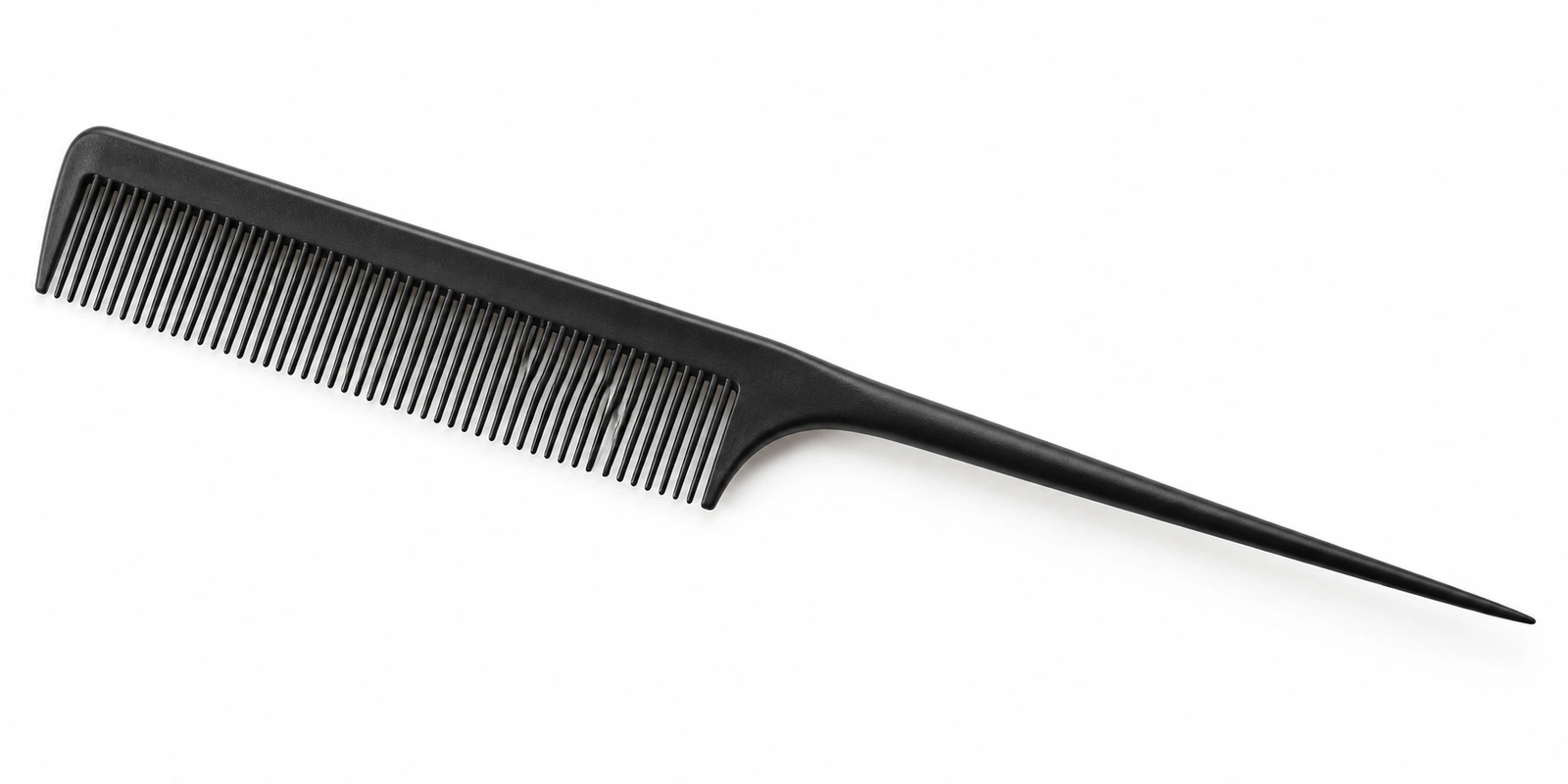
A twist comb — also called a twist-out comb or coil comb — is a small, fine-tooth comb used to separate and shape individual sections of natural hair before two-strand twisting, producing the defined, uniform coil pattern that a twist-out or twist style depends on. The tool itself is simple, but the frizz outcomes people attribute to twisting technique often trace back to comb specification and sectioning method rather than the twisting itself, in much the same way the curl defining comb technique depends as much on process as on the comb.
This guide covers what a twist comb actually does mechanically, correct sectioning and twisting technique for frizz-free coil definition, which curl patterns and hair densities benefit most, and the common mistakes that produce the frizzy, undefined twist-outs people often blame on their hair texture rather than their tool and technique. For the wet-detangling foundation this technique builds on, see our guide on whether it is bad to brush wet hair.
What a Twist Comb Actually Is
Tooth Configuration
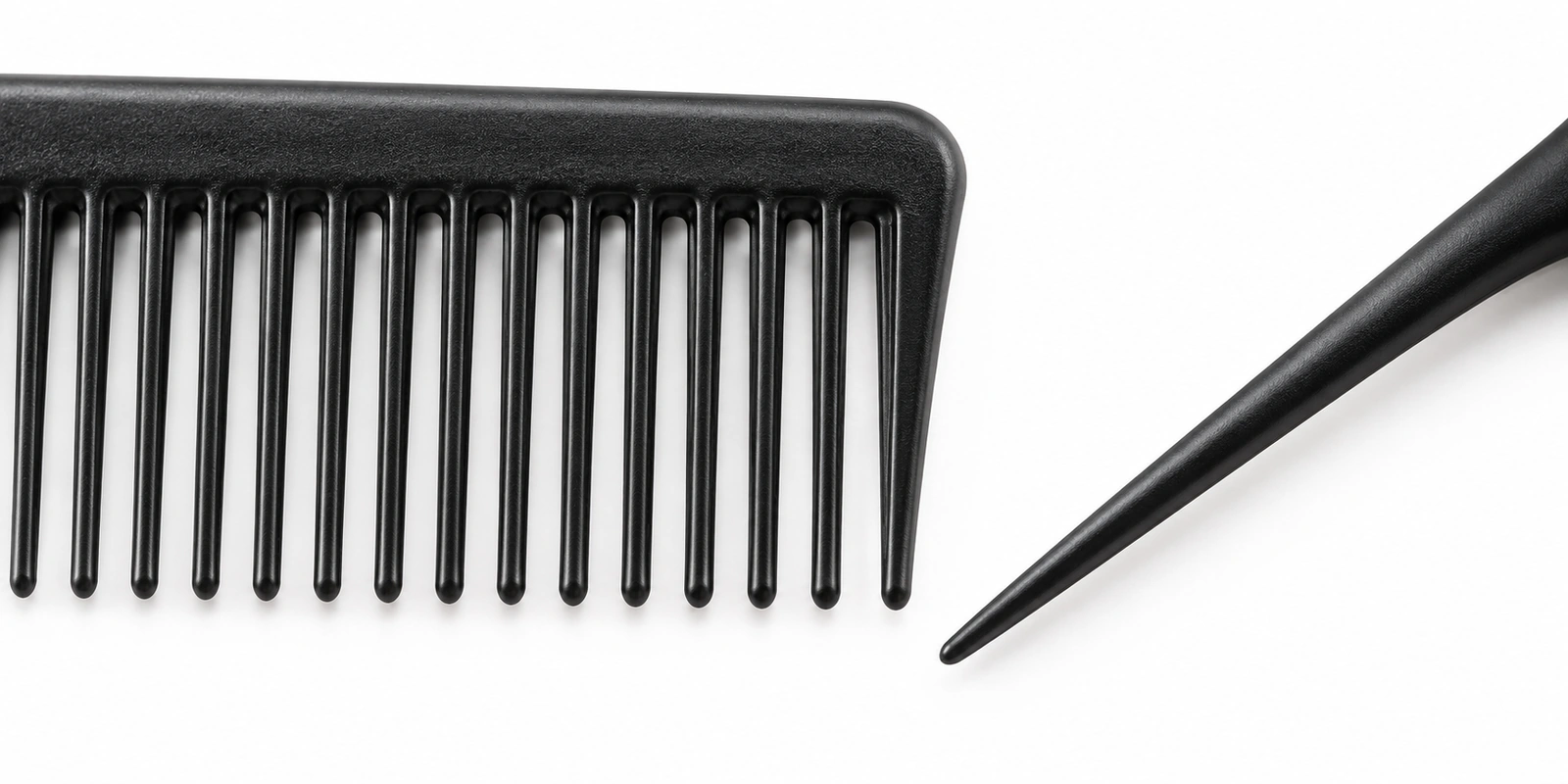
Twist combs typically have fine, closely spaced teeth — finer than a standard detangling wide-tooth comb, though usually not as tightly packed as a dedicated teasing comb — set into a narrow, precise tooth section designed for creating clean, small, uniform sections rather than working through the whole head in broad passes.
Narrow, Precise Profile
Unlike the wide, flat body of a curl defining comb built for gathering large clumps, a twist comb‘s profile is narrower and more precise, closer in scale to a fine-tooth or rat-tail comb’s tooth section, reflecting its role in creating small, consistent sections rather than broad styling strokes.
Pointed Tip or Tail
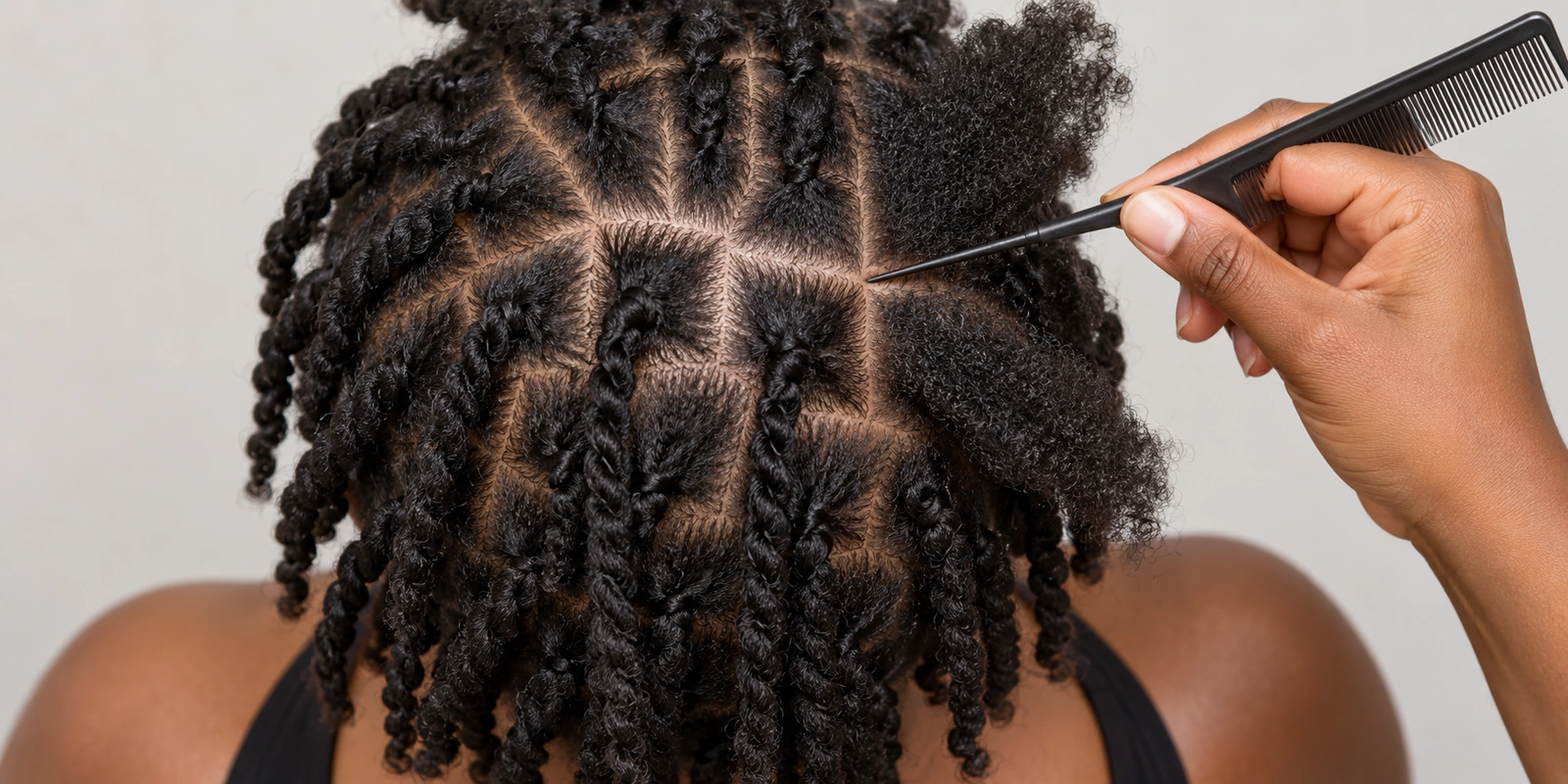
Many twist combs include a pointed tip or a short tail similar to a rat-tail comb’s sectioning point, used to part and separate the small, defined sections a twist-out requires before the comb’s tooth section is used to smooth and detangle each section individually.
How Coil Definition Actually Works
The Sectioning-and-Smoothing Mechanism
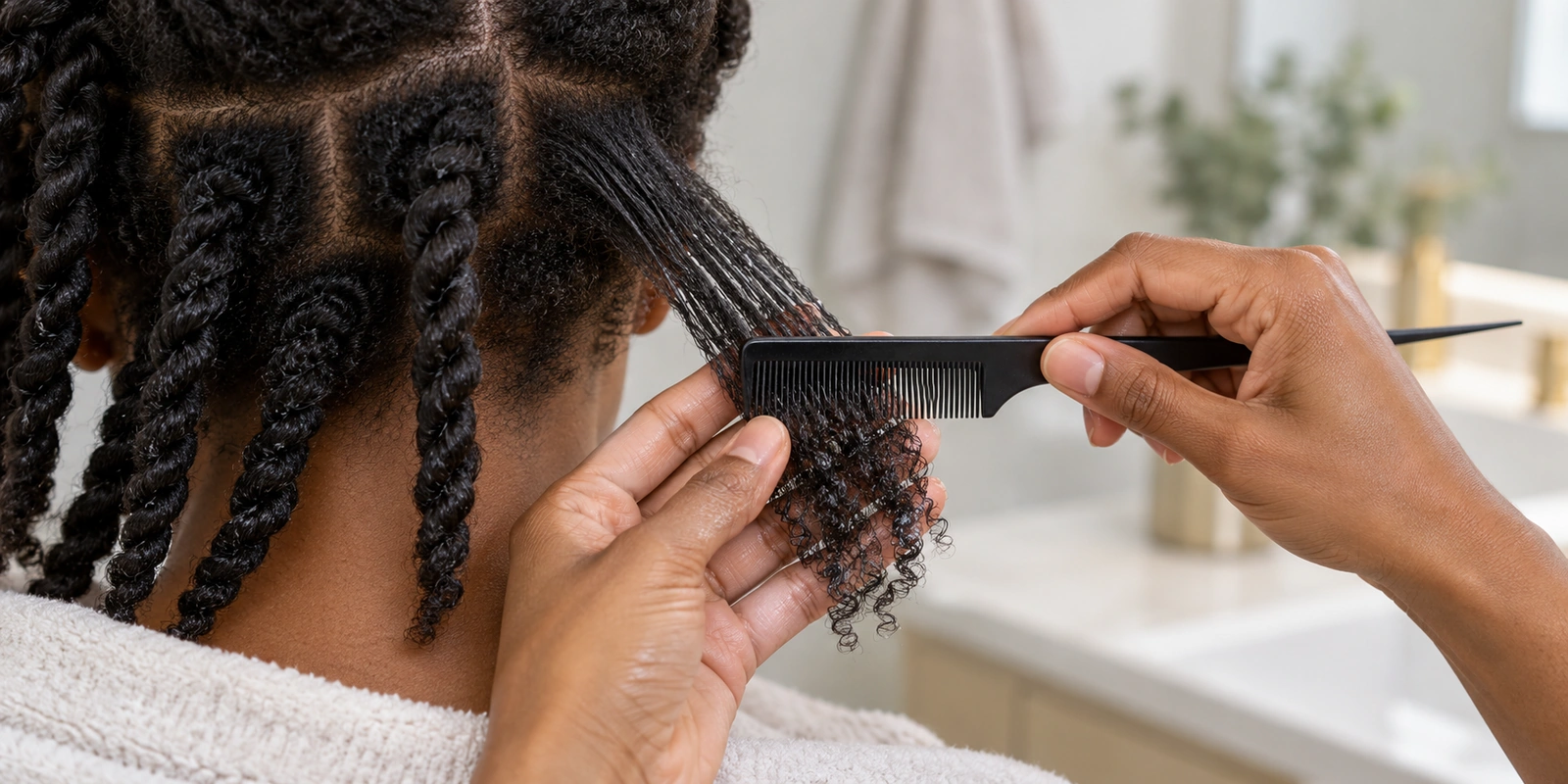
Twist definition depends on two things happening correctly in sequence: consistent section size across the head, and thorough detangling and smoothing within each section before twisting begins. A twist comb‘s job is to create that clean, small section and then comb through it until the section is fully detangled and the strands within it lie smoothly together — any remaining tangles or unevenly distributed strands within a section will show up as frizz or unevenness once the section is twisted and released.
Why Section Size Consistency Matters
Twist-outs read as uniform and defined largely because the coils produced are consistent in size — sections that vary significantly in size from one to the next produce a visibly uneven finished pattern, with larger sections generally producing looser, larger twist-out coils and smaller sections producing tighter, more numerous ones. A twist comb‘s narrow, precise tooth section is specifically suited to creating this section-size consistency in a way a broader comb is not.
Why This Differs from Curl Defining Comb Technique
The curl defining comb technique encourages multiple strands to clump together during drying without physically twisting them; a twist comb prepares individual sections for the physical two-strand or three-strand twisting technique itself, where the coil shape is created mechanically by the twist rather than by product-assisted clumping alone. Both aim at defined, frizz-free texture, but through genuinely different mechanical processes, and using the wrong technique’s comb for the other’s method (a wide, flat curl-defining comb for precise twist sectioning, for example) produces a worse result for either goal.
Correct Technique for Frizz-Free Twist Definition
Start with Fully Detangled, Product-Saturated Hair
As with curl defining generally, twisting should begin only after the hair is fully detangled — attempting to section and twist hair that still has underlying knots produces uneven sections and trapped tangles inside the twist that surface as frizz once released. Hair should be thoroughly saturated with a leave-in conditioner, cream, or gel before sectioning begins, since — as with the curl defining comb technique — the twist comb distributes and shapes product that’s already present rather than working product into dry or under-coated hair.
Section Before Combing Within Each Piece
Use the comb‘s pointed tip or tail to part off a clean, appropriately sized section first, securing the rest of the hair out of the way, before combing through the isolated section. Attempting to comb and section simultaneously in one motion tends to pull in stray hairs from adjacent areas, producing inconsistent section boundaries that show up as irregular coil sizing in the finished twist-out.
Comb Each Section Thoroughly Before Twisting
Once a section is isolated, comb through it fully — this is the step most commonly rushed, and rushing it is one of the most common sources of twist-out frizz. Any strand within the section that isn’t fully smoothed and aligned with the others will sit slightly apart from the twist structure once the section is twisted, and will frizz outward as the twist sets and is later released.
Keep Section Size Consistent Across the Head
Working with a consistent section size throughout — whether using finger-width, a specific measurement, or a comb-width guide — produces the uniform coil size that reads as “defined” in a finished twist-out. Inconsistent section sizes are one of the most common causes of a twist-out that looks uneven rather than genuinely frizzy, even when each individual section was combed and twisted correctly.
Twist with Even Tension
Once combed, the section should be twisted with consistent, moderate tension — too loose and the twist won’t hold its shape once released; too tight and the twist can create excessive strain at the root or produce a stiffer, less naturally defined coil pattern. Twisting technique itself (rather than the comb) governs this step, but starting from a well-combed, evenly sectioned base is what allows even twisting tension to actually translate into a defined finished coil.
Let Twists Set Fully Before Unravelling
As with the drying-disturbance principle covered in our curl defining comb guide, twists need to fully dry or set before being taken down — unravelling a twist-out while the hair underneath is still damp is one of the most common causes of a “twist-out” that reads as frizzy rather than defined, independent of how well the sectioning and combing were done.
Which Hair Types and Densities Benefit Most
Type 3 Curly Hair
Twist-outs on Type 3 hair generally produce a looser, wave-like coil pattern, and section size has a particularly visible effect on the finished look at this texture — smaller sections produce a noticeably tighter, more defined wave-coil pattern than larger ones, making section-size consistency especially important for a uniform result on this hair type.
Type 4 Coily Hair
This is where twist-outs are most commonly used as a primary styling technique, and where twist comb precision matters most — Type 4 hair’s density means uneven combing within a section is more likely to trap tangles that surface as frizz, and the technique’s popularity in Type 4 styling routines specifically reflects how effectively it defines this hair’s natural coil pattern when done correctly.
High-Density Hair
Very dense hair benefits from smaller, more numerous sections than lower-density hair of the same overall length, since a twist comb (and the twisting hand) can only effectively manage a certain volume of hair per section before combing and twisting quality both suffer. Buyers or users with high-density hair should expect more sections and longer total styling time than lower-density hair of similar length and pattern.
Fine or Low-Density Natural Hair
Fine, lower-density natural hair can twist successfully but often benefits from slightly larger sections than very dense hair would use, since overly small sections on fine hair can produce twists too thin to hold their shape well once released — a case where section sizing should be adjusted to hair characteristics rather than following a single universal rule.
Common Mistakes That Cause Frizz
Combing on Dry, Unstretched Hair
Combing and sectioning dry, unstretched natural hair introduces significant tension and breakage risk, and produces less even results than working on product-saturated wet or damp hair, consistent with the wet-detangling principles covered in our whether it is bad to brush wet hair guide.
Inconsistent Section Sizing
As covered above, this is one of the most common causes of an uneven-looking twist-out that gets misattributed to “frizzy hair” rather than correctly identified as a sectioning consistency issue.
Under-Combing Within Sections
Rushing the comb-through step within an isolated section, particularly on dense hair, leaves tangles trapped inside the eventual twist that surface as frizz once the twist is released — this is frequently the actual cause of frizz that gets blamed on the twist technique itself or the hair’s texture.
Unravelling Twists Too Early
Taking twists down before they’ve fully dried or set is one of the most common and most avoidable causes of a twist-out reading as undefined or frizzy, independent of how correctly every earlier step was executed.
Using a Comb That’s Too Fine or Too Wide for the Task
A comb with teeth too fine for the hair’s density can be slow and frustrating to work through dense sections, tempting rushed, incomplete combing; a comb too wide fails to create the precise section boundaries the technique depends on. Matching comb fineness to hair density, rather than using a single comb regardless of texture, produces more consistent results.
Twist Comb vs. Related Tools
Twist Comb vs. Curl Defining Comb
A twist comb‘s narrow profile and precise sectioning function suit the twisting technique’s need for small, consistent, well-detangled sections. A curl defining comb’s wide, flat profile suits gathering larger clumps of already-detangled hair for product-assisted clumping without physical twisting. Using a twist comb for curl-defining clump-gathering, or vice versa, works less well than using the tool built for the specific technique, as covered in our curl defining comb guide.
Twist Comb vs. Rat-Tail Comb
The two share the pointed-tip sectioning function, and in practice a fine-tooth rat-tail comb can serve reasonably well as a twist comb substitute, though dedicated twist combs are typically optimised with a finer overall tooth section suited specifically to natural hair density rather than the general sectioning purpose a rat-tail comb serves across all hair types, as covered in our pin tail vs rat tail comb guide.
Twist Comb vs. Wide-Tooth Comb
A wide-tooth comb remains the appropriate tool for the initial full-head detangling step before sectioning begins — the twist comb’s finer, more precise teeth are for working within an already-isolated section, not for the broader initial detangling pass across the whole head.
Sourcing Considerations for B2B Buyers
For buyers developing twist comb products, specification precision and technique-supportive positioning are the primary levers for genuine differentiation in this category.
Tooth fineness calibrated to natural hair density: A twist comb should be specified with tooth spacing genuinely suited to natural hair texture and density — finer than a general wide-tooth comb but not so fine that it becomes slow or difficult to work through dense sections — rather than relabelling a generic fine-tooth comb under the twist comb name.
Pointed tip or tail durability: Since the sectioning tip sees repeated precise use during a single styling session, tip durability and a genuinely fine point (following the tail-gauge principles covered in our pin tail vs rat tail comb guide) are worth specifying explicitly.
Seamless tooth edges for wet, product-coated use: As with curl defining combs, twist combs are used almost exclusively on wet, product-saturated hair, making seamless-finished tooth edges — avoiding the snagging a standard moulding seam can cause — a more consequential specification here than for many general-purpose combs.
Educational positioning around technique: Because section consistency, thorough within-section combing, and full drying before unravelling all matter as much as the comb itself for a frizz-free result, packaging or content addressing correct technique supports better customer outcomes and reduces the returns or complaints that follow from users expecting the comb alone to guarantee a defined result regardless of process.
Twist comb formats in seamless-finished cellulose acetate and plastic, with tooth fineness calibrated for natural hair density, are available through OEM and private label manufacturing routes, with tooth spacing, tip precision, and material adjustable to range positioning requirements.
Frequently Asked Questions
What’s the difference between a twist comb and a regular fine-tooth comb?
A twist comb typically has a narrower, more precise tooth section combined with a pointed tip or tail specifically suited to creating small, consistent sections for twisting, while a standard fine-tooth comb is built more generally for finishing and detangling on already-sectioned or full-length hair without the same sectioning-specific design.
Should I twist my hair wet or dry?
Wet or damp, with hair fully saturated in a leave-in conditioner, cream, or gel before sectioning and combing begins. Twisting dry, unstretched hair introduces more tension and breakage risk and produces less even, less defined results than working on properly prepared wet hair.
Why does my twist-out look frizzy even though I used a twist comb?
The most common causes are inconsistent section sizing across the head, incomplete combing within individual sections before twisting (leaving trapped tangles that surface once the twist is released), and unravelling the twists before they’ve fully dried or set — all technique factors independent of the comb‘s quality.
How small should my sections be for a defined twist-out?
Smaller sections generally produce tighter, more defined, more numerous coils, while larger sections produce looser, fewer coils. The right size depends on hair density and desired final look, but consistency across all sections matters more for an even, defined appearance than the specific size chosen.
Can I use a rat-tail comb instead of a dedicated twist comb?
A fine-tooth rat-tail comb can serve reasonably well as a substitute, since both share the pointed-tip sectioning function. A dedicated twist comb is typically optimised with tooth spacing more specifically suited to natural hair density, but the substitution is a reasonable option if a dedicated tool isn’t available.
How long should I leave twists in before taking them down?
Twists should be fully dry or set before unravelling — taking them down while the hair underneath is still damp is one of the most common causes of a twist-out reading as frizzy or undefined, regardless of how correctly the sectioning and combing steps were done.
Conclusion
A twist comb‘s narrow, precise tooth section and pointed sectioning tip exist to support consistent, well-detangled sections — the actual foundation of a defined, frizz-free twist-out, which depends as much on sectioning consistency, thorough within-section combing, and letting twists fully set before unravelling as it does on the comb’s specification itself. Most of the frizz attributed to twist technique or natural hair texture specifically traces back to one of these process steps rather than to the tool, and a genuinely well-specified twist comb — fine enough for natural hair density, with a precise, durable sectioning tip — earns its place as a technique-supporting tool rather than a guarantee of results on its own.
For brand developers building twist comb products around genuine technique support rather than tool-alone marketing claims, manufacturers such as JunYi Beauty, which produces twist combs in seamless-finished acetate and plastic with tooth fineness calibrated for natural hair density from its Dongguan facility, represent the type of OEM partner suited to ranges where the specification and accompanying guidance work together to deliver the coil definition the category promises.