Boar bristle grades describe selected material characteristics, but a grade name alone cannot specify a hair brush. Ask what the supplier sorts, what the finished head contains and how a production lot will be compared with your approved sample. Keep composition and working feel as separate requirements.
Find Out What The Supplier’s Grade Actually Means
A buyer can receive two offers that both say premium boar bristle. One may refer to a sorted length range and another to a particular firmness, color or processing choice. Ask each supplier to give the grade definition attached to its quote. If it uses a named standard, ask for the document and edition and identify the exact requirement it is claiming. If it uses an internal grade, request the properties it uses to accept or reject incoming lots.
Natural bristles can have a taper and individual differences. The American Brush Manufacturers Association glossary describes hog bristle and lists processes such as cutting, combing and mixing that can be used in the brush industry. Ask which operations apply to the material you are being offered. Those answers are more useful to a repeat order than a premium label with no criteria attached.
Ask For The Meaning Of Cut And Firmness Labels
When you see a term such as first cut in a quotation, ask what is selected, how it is sorted and what range is acceptable. A buyer comparing soft and firm grades should first establish whether the labels refer to raw material or finished brush response. Use the hair brush bristle types guide to identify which properties belong to the fill and which belong to the full construction.
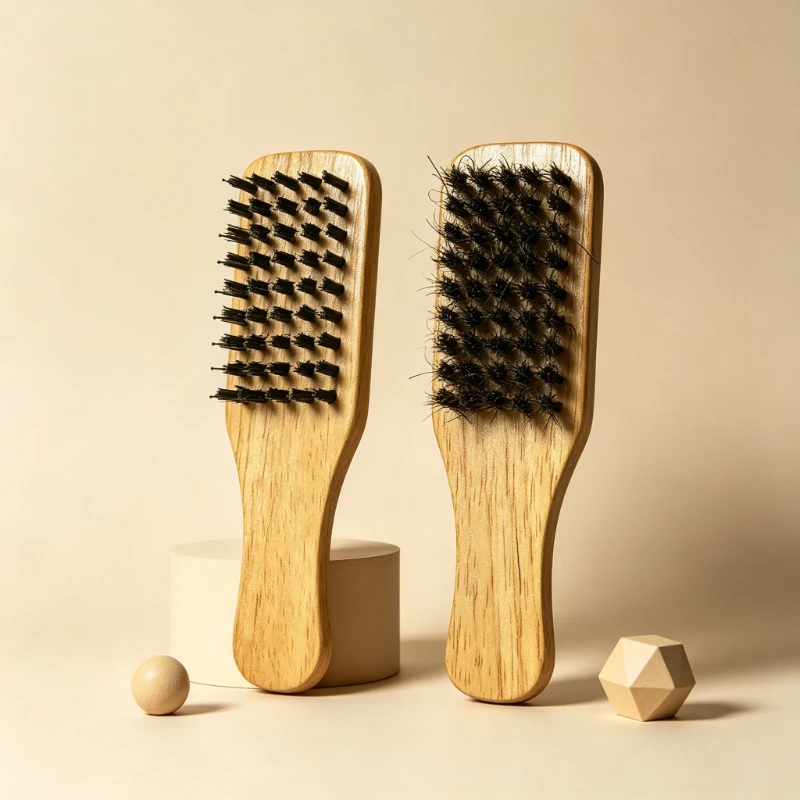
Look at the available product families for context. Kent’s soft natural boar bristle brush specification is an example of a brand describing a defined brush and intended use. Take the same approach with your own range. Describe the intended brush and compare coded samples under the same conditions before naming a grade in the catalogue.
Specify What Is In The Finished Brush
Ask for a fill breakdown by construction. Some brushes use only natural bristle in the working tufts. Others use longer synthetic elements with shorter natural fill, or plant different materials in different positions. A word such as mixed gives you a useful starting point, but the measurable construction needs to appear in the purchase specification. Mason Pearson’s brush selection guide illustrates how a manufacturer distinguishes pure bristle, nylon and mixed brush families.
Write every ratio with its unit and scope. If a quoted percentage is by weight, ask which components are included and whether it is controlled per bundle, per brush or across a production lot. If the head uses a synthetic pin in each planted position with natural bristle around it, specify the row map and the intended quantities separately. A percentage can conceal a change in pin height or an unapproved change to the number of mixed positions.
Review the buyer-facing description against the component sheet. If the working face uses natural bristle and separate nylon pins, the product page should communicate that construction clearly. The boar and synthetic brush comparison gives merchandising teams context for describing the difference. Keep the final written product claim with the version of the bill of materials it describes.
Confirm Where Each Material Is Planted
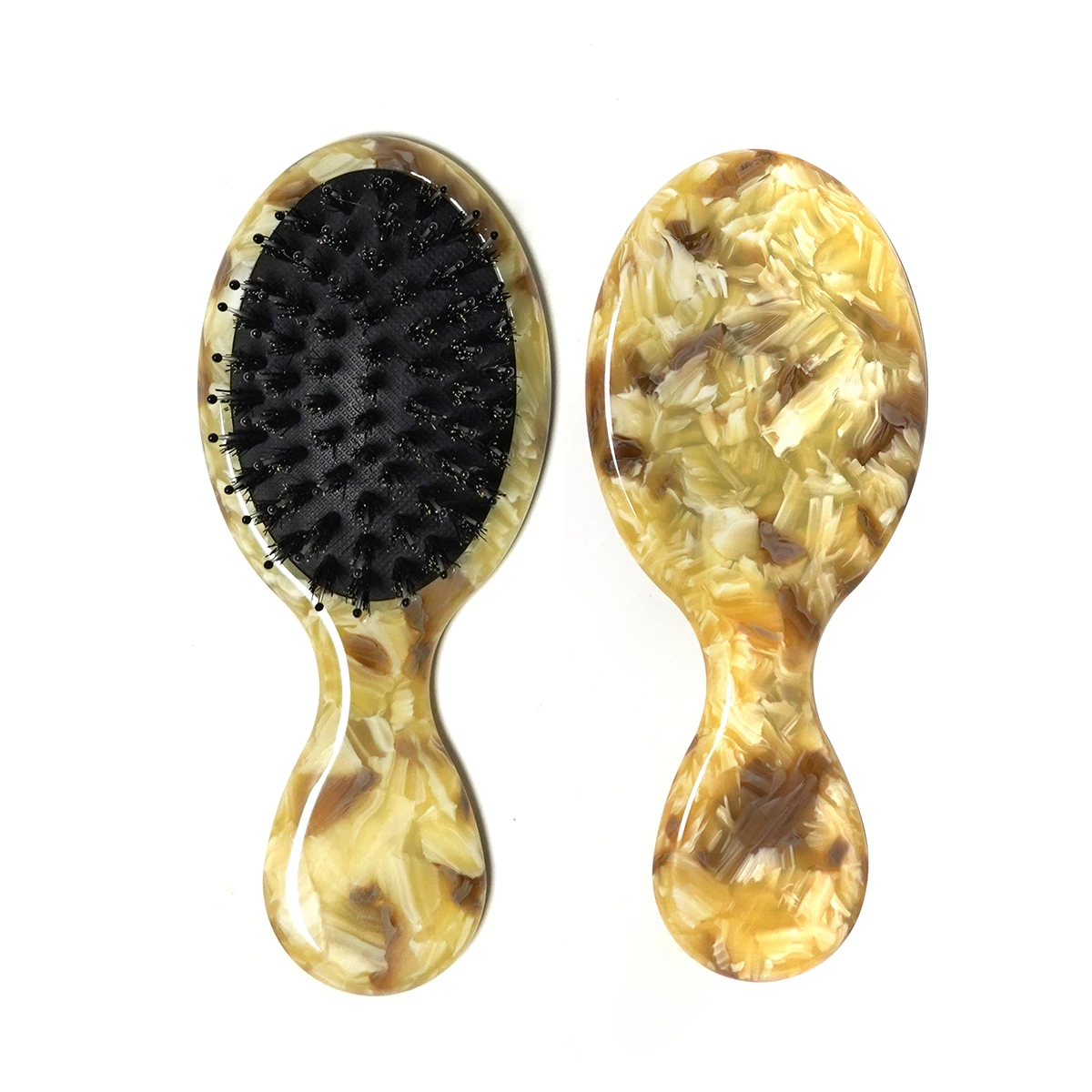
A face photograph can help a receiving team compare the intended pattern with stock. Ask for a marked view and a side view of the approved sample. Show the zones or positions that contain natural fill, the position of taller pins and the profile the user will touch. Link those views to the head drawing in the hair brush customization brief so a packaging revision never carries an outdated brush illustration.
Compare Finished Feel With Matched Samples
Keep a short product definition beside each trial so the grade choice has a purpose. For a finishing brush, describe the surface stroke and the section thickness you want testers to use. For a two-sided brush, write a separate intended use for each face and have testers record the results separately. If several finish combinations pass the trial, decide which differences matter enough to capture in the specification before asking the supplier for bulk pricing.
Ask the supplier to put candidate grades into the same head, holding exposed length, pattern, tuft fill and base as close as possible. If one option is only available with a different trim, label that sample as a different configuration. A wooden hair brush body and a flexible cushion can support similar-looking material differently, so the approved feel needs a finished reference.
Choose a trial the buyer can run again after the initial order. Compare coded brushes on similar prepared hair sections. Record the preparation, brush angle, stroke direction and sequence. Ask evaluators where the brushing resistance appears and whether the selected bristle engages the intended part of the section. Record specific observations before identifying the grade. A sample can feel firm in a hand test and behave differently when the head travels through a hair section.
Agree An Observable Firmness Check
If you need a numerical check, define the test with the supplier before attaching a limit. State whether it measures an individual fiber, a tuft or the assembled face. Record specimen conditioning, exposed length, the point and direction of loading, and what the instrument reads. A practical acceptance method starts by showing that the same sample gives comparable readings when tested again. Keep sample handling and finish photographs alongside the finished-brush quality checks for retention and durability.
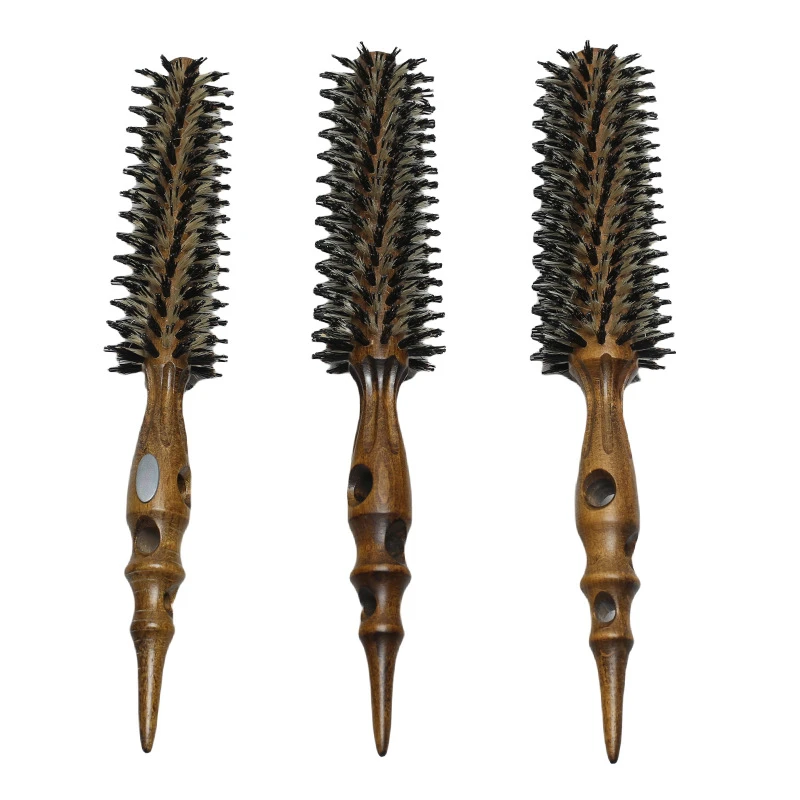
Include the shape of the head in your comparison. On a round styling brush, the bristles make contact around a curved perimeter. Ask for the trim profile in the drawing and review the feel at the sides as well as at the center of the barrel. A paddle brush sample can help compare raw fill options, but the chosen round configuration still needs its own approval.
Turn The Quote Into A Bristle Purchasing Specification
Put the grade definition, the supply declaration and the finished-brush acceptance criteria in one revision. Add the sample date and identifying code. Define the raw length range separately from exposed length after planting and trimming. Record acceptable variation in the natural color and identify whether the fill has been treated or dyed. Only promise outward-facing properties your documentation and finished sample can support.
| Specification Field | Ask The Supplier For | Keep For Repeat Orders |
|---|---|---|
| Grade Definition | Sorting rule and accepted range | Supplier definition with revision |
| Composition | Fill materials, ratio basis and zone map | Bill of materials and face drawing |
| Trim And Feel | Exposed profile and agreed comparison method | Marked reference sample and result |
| Processing | Applicable treatment and color controls | Material declaration for approved lot |
| Traceability | Lot reference and change notification | Lot mapping to finished cartons |
Request Evidence That Matches The Claim
Decide whether the retailer needs a material identity declaration, an origin statement or independent verification. They answer different questions. A supplier declaration should identify the material, lot and entity issuing the statement. If an independent check is required, ask the laboratory what it can determine from the brush components and how samples must be submitted. Compare the wording on the report with the claim you are considering before printing retail packaging.
Review the cost of the selected material, sorting and inspection with the supplier. A quote may need separate lines for material preparation, process changes or a check that was absent from the first proposal. The custom hair brush costing guide helps you compare two offers on the same finished construction and packaging scope.
Keep Lot Changes Visible After The First Order
Ask for a sample from normal production where possible. A hand-picked development brush can show your desired trim, but the first regular run shows how much variation the supplier must control. Include brushes from more than one carton in a receiving comparison if the lot spans several cartons. If the range of finished feel is wider than agreed, review the raw material and plant records before changing the grade name or negotiating a universal tighter limit.
Ask how the factory connects each bristle delivery to its finished brush lots. Keep a retained brush from the first accepted order. If more than one fill lot is used, ask which cartons contain each lot and whether the factory compared them before combining stock. A new delivery of an identically named bristle grade should still be evaluated when your specification identifies a meaningful change.
Define When A New Sample Is Required
Require review when a material source, mixing arrangement, treatment, trim or supplier-defined grade changes. Agree whether you need a loose sample, an assembled sample or both. Where the proposal could affect consumer-facing information, check the packaging and online listing before approving it. Add the decision to the purchase revision and allow time for it in the brush production schedule.
If the bulk lot feels different, photograph the face, mark the positions that differ and retain accepted and affected samples. Have the supplier check the bristle selection, plant pattern and exposed length together before deciding on a replacement. Use the order defect and replacement procedure to record the affected quantities and disposition.
Frequently Asked Questions
Is First Cut A Complete Purchasing Specification?
No. Ask the supplier what the term means for that offer and which ranges it controls. Confirm the finished profile and firmness using the approved brush. Put the source definition and sample code on the order.
Can Two Pure Boar Brushes Feel Different?
Yes. Natural fill selection, exposed length, tuft spacing, amount of fill and head construction can all differ. Compare the intended assembly using the same trial so the result can be repeated for future lots.
Can The Buyer Confirm Composition From A Photograph?
A photograph supports comparison of the visible layout, color and trim. Use a component declaration and lot records for composition, with a suitable independent check if your sales channel requires one.
What Evidence Should Be Retained For A Reorder?
Keep the controlled composition sheet, sample code, supplier lot details, inspection method and one finished reference brush. Check whether material availability, processing or the plant layout has changed before confirming the reorder.
Final Thoughts
Buy to a defined bristle composition, finished feel and lot approval process. The JunYi Beauty manufacturing overview provides supplier context for comparing a proposed construction and preparing the reference samples that will govern repeat orders.