A hair brush replacement schedule is the practical timeline for changing a brush when its bristles, cushion, handle, hygiene condition or styling performance no longer support safe and effective use. The exact timing depends on brush material, cleaning habits, daily frequency, hair type, styling product use and whether the brush is shared.
There is no single replacement date that fits every brush. A low-cost plastic brush used daily with styling products may wear out within months, while a well-maintained wooden or boar bristle brush may last much longer. For consumers, salons and B2B buyers, the better question is not only how often to replace a hair brush, but also which signs show that the brush has reached the end of its useful life.
How Often Should You Replace a Hair Brush?
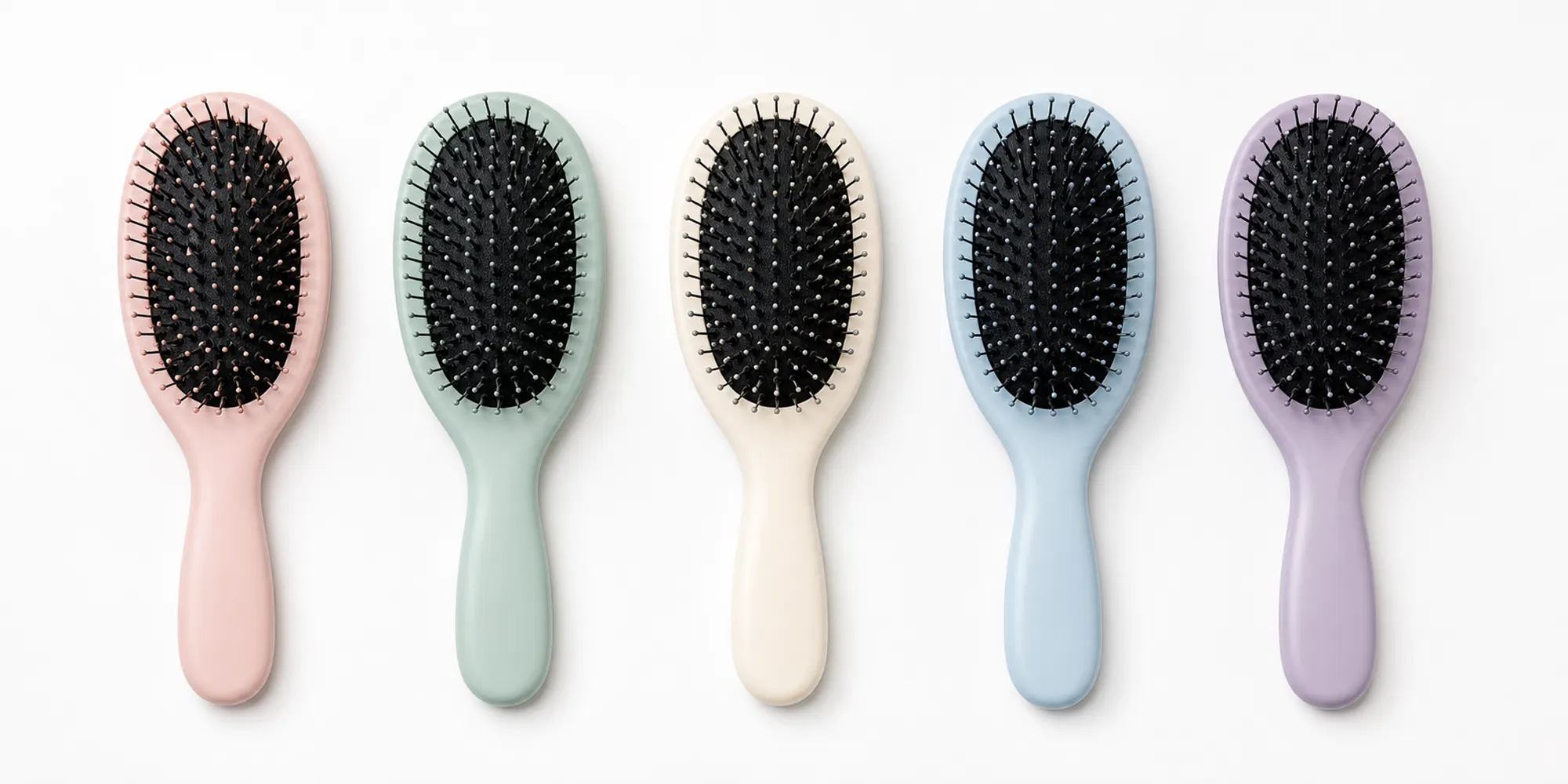
Most personal hair brushes should be reviewed every six to twelve months. This does not mean every brush must be replaced exactly within that window, but it is a useful inspection point. Brushes used daily, exposed to heavy styling products, or shared in family or salon settings may need earlier replacement.
HowStuffWorks gives a general baseline of replacing many value-priced hair brushes every six to twelve months, while noting that higher quality brushes may last for years with proper care. See its overview on how often to replace a hairbrush.
Replacement timing should also consider performance. If the brush no longer detangles smoothly, creates more pulling, collects residue quickly after cleaning, or has bent and broken bristles, it should be replaced even if it is less than one year old.
For related tool care, see the internal guide on how to choose the right hair brush for your hair type. Brush lifespan is closely linked to whether the design matches the user’s hair texture and styling routine.
Key Signs That a Hair Brush Should Be Replaced
The clearest replacement signs are physical damage and poor hygiene condition. A brush may still look usable from a distance, but worn pins, missing ball tips or a cracked cushion base can affect comfort and hair handling.
- Bristles are bent, broken, melted or missing
- Ball tips have fallen off metal or nylon pins
- The cushion pad is cracked, sunken or loose
- The handle is split, sticky, warped or unstable
- Residue remains after proper cleaning
- The brush pulls or catches more than before
- There is persistent odour, dust buildup or visible grime
NBC Select also identifies bristle or tooth damage, persistent buildup and damaged brush components as signs that a brush or comb may need replacing. Its article on cleaning hair brushes and combs explains that regular cleaning can help extend tool life, but damage still requires replacement.
How Material Affects Hair Brush Lifespan
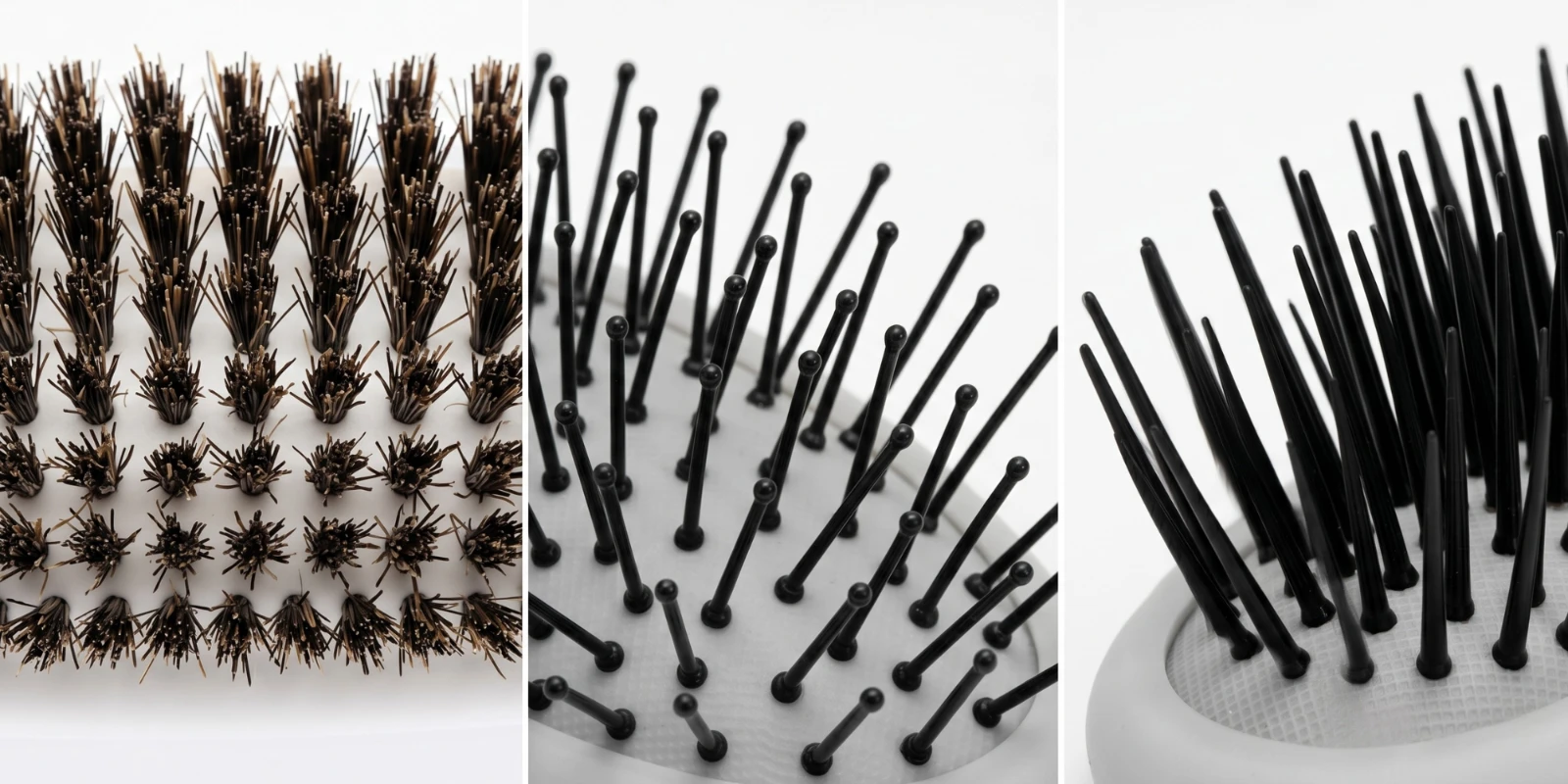
Hair brush material has a direct effect on lifespan. Plastic brushes are lightweight and easy to clean, but lower-grade pins may bend or lose shape with heat and pressure. Wooden brushes may last longer when kept dry, but they can crack or swell if soaked. Boar bristle brushes can perform well for a long time, but dense bristles require careful cleaning to avoid oil and lint buildup.
The following table summarizes general lifespan considerations by material.
| Brush Material | Common Lifespan Factor | Replacement Sign | Care Note |
|---|---|---|---|
| Plastic | Heat and pin bending | Bent or melted bristles | Avoid high heat storage |
| Wood | Moisture exposure | Cracking or swelling | Do not soak |
| Boar bristle | Oil and lint buildup | Dense residue near base | Clean gently and dry fully |
| Metal pins | Tip wear and cushion stress | Missing ball tips | Check scalp comfort |
| Silicone | Flex fatigue | Torn or sticky surface | Rinse and air dry |
For a more detailed material discussion, see hair brush bristle types. Bristle material, pin shape and cushion structure all influence how long a brush remains comfortable and effective.
Replacement Timing by Brush Type
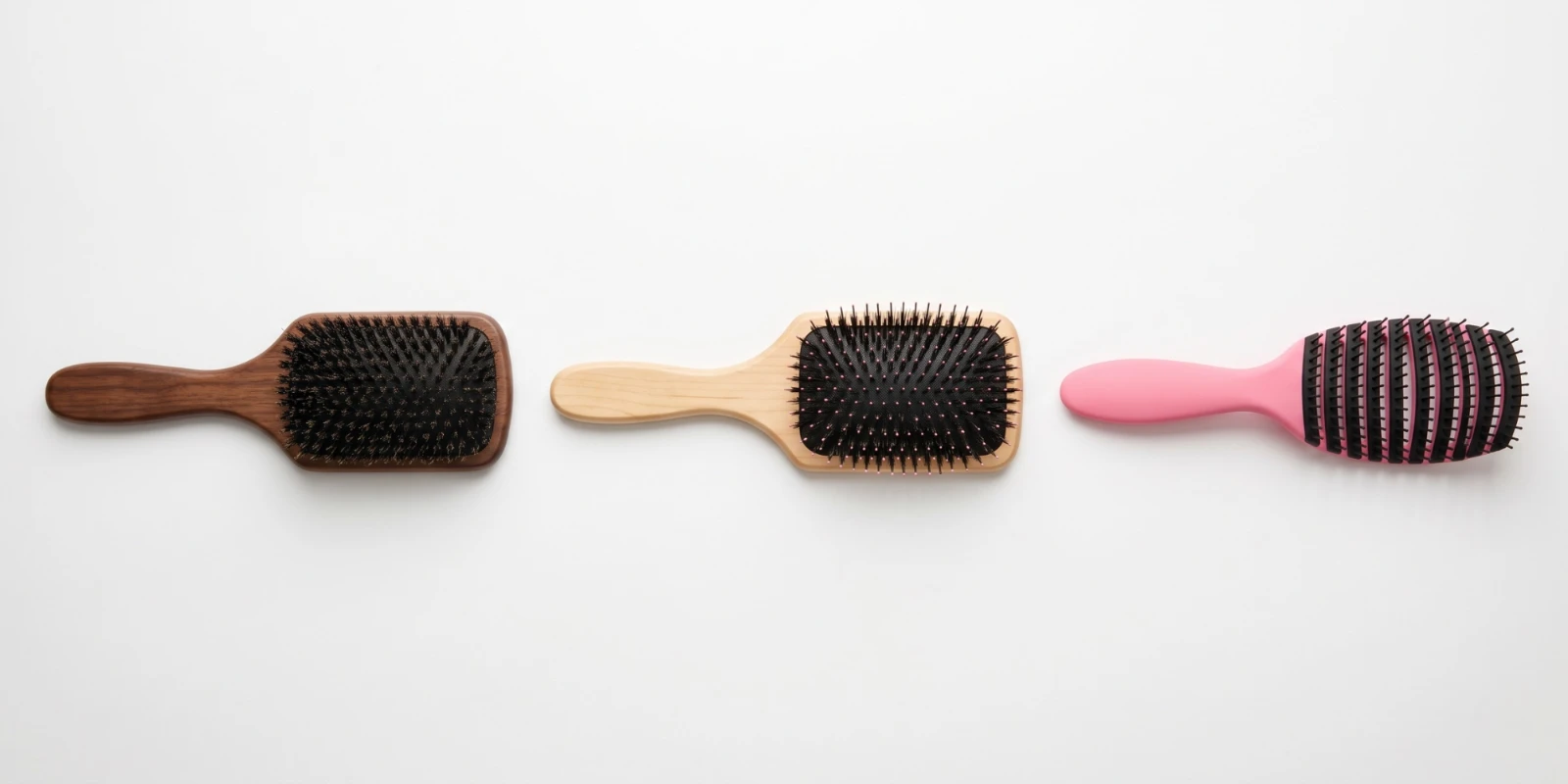
Different brush types age in different ways. A paddle brush may fail when the cushion collapses. A round brush may fail when the barrel coating, bristles or handle joint weakens. A detangling brush may fail when flexible bristles stop returning to their original shape.
The comparison below gives a practical inspection schedule rather than a fixed rule.
| Brush Type | Review Frequency | Typical Replacement Trigger | Primary Risk |
|---|---|---|---|
| Paddle brush | Every 6 months | Loose cushion or missing tips | Pulling and scalp discomfort |
| Round brush | Every 6-12 months | Heat damage or loose bristles | Snagging during blow-drying |
| Boar bristle brush | Every 6 months | Residue, bristle shedding or odour | Oil transfer and poor smoothing |
| Detangling brush | Every 3-6 months | Flexible teeth no longer recover | Breakage during detangling |
| Wooden brush | Every 6-12 months | Cracking, swelling or splintering | Surface roughness |
The American Academy of Dermatology advises gentle hair handling and recommends using tools carefully, especially when hair is wet or fragile. Its guidance on how to stop damaging hair notes that tugging while brushing or combing can contribute to breakage. A damaged brush can make that risk more likely.
Hygiene, Cleaning and Brush Lifespan
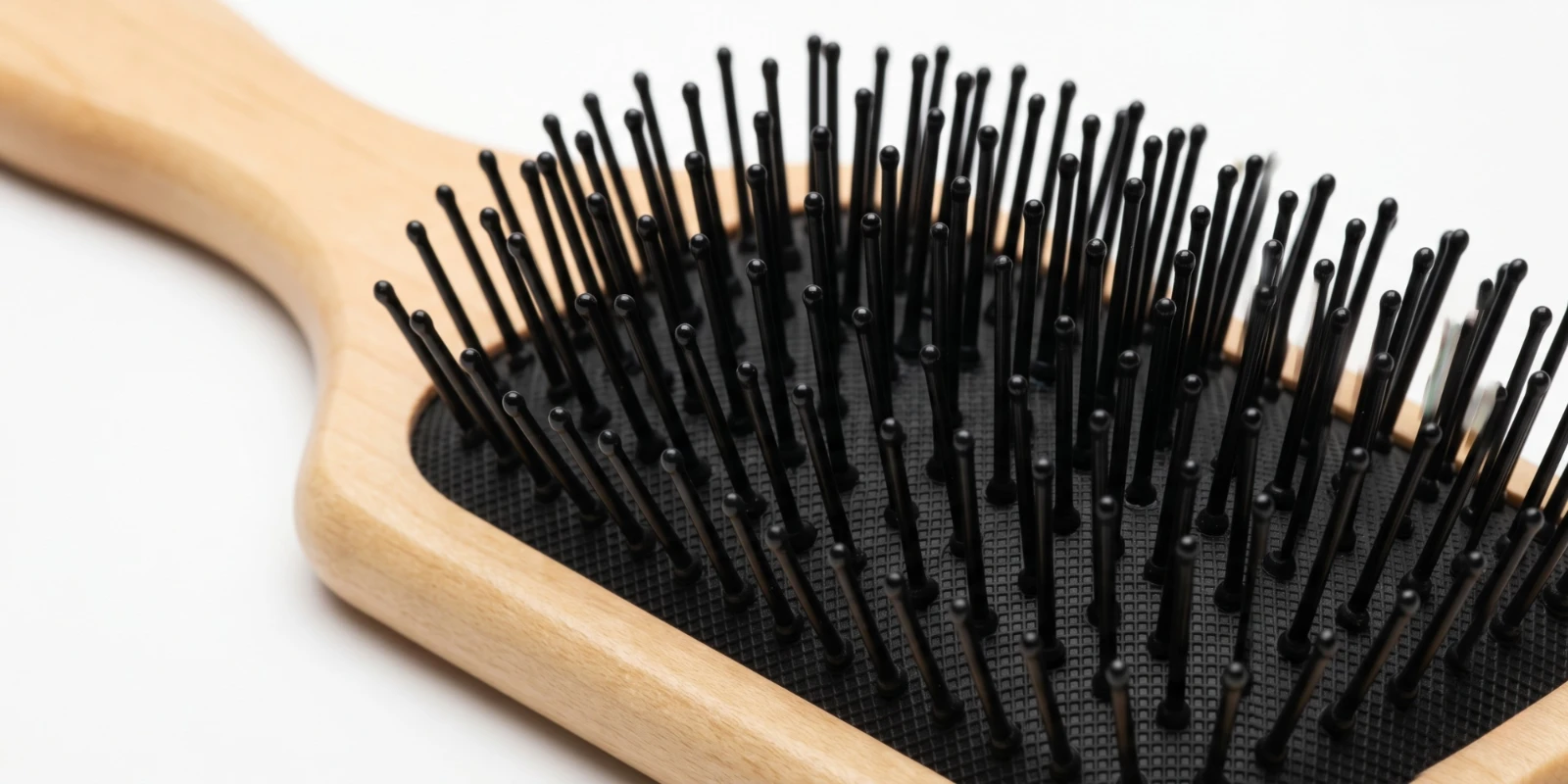
Cleaning can extend brush lifespan, but it cannot restore damaged components. A brush with residue can often be cleaned. A brush with missing pins, cracked surfaces or unstable cushioning should be replaced. The distinction matters because a dirty brush is a maintenance issue, while a damaged brush is a product condition issue.
Healthline explains that hair brushes can collect oil, dirt, dust and styling products, and that cleaning frequency depends on product use. Its guide to cleaning a hairbrush recommends removing accumulated hair regularly and cleaning more often when styling products are used.
As a practical rule, remove trapped hair after each use or every few uses. Clean the brush every one to four weeks depending on product buildup. Review the brush condition during cleaning, because wet residue can reveal cracks, loose bristles or damaged cushion areas that are hard to notice during daily use.
For a dedicated cleaning process, see the related article how to clean a hair brush after it is published. Cleaning and replacement work together: maintenance extends useful life, while timely replacement prevents worn tools from creating avoidable friction.
When Salons and Retail Buyers Should Replace Brushes Faster
Salon and retail environments have different requirements from personal use. Tools may be used more often, exposed to more hair types, and cleaned with stronger routines. In these settings, replacement decisions should be based on both hygiene expectations and tool performance.
Salon brushes should be inspected more frequently for loose pins, cracked handles, residue, heat deformation and worn cushions. Brushes used for blow-drying may age faster because repeated heat exposure can weaken adhesives, soften plastic pins or affect barrel coatings.
For B2B buyers, replacement risk can be reduced during product development by checking:
- Bristle recovery after repeated bending
- Ball tip attachment strength
- Cushion flexibility and air-hole durability
- Handle joint stability
- Heat resistance for blow-dry brushes
- Cleaning compatibility for wood, acetate and plastic finishes
These factors are also relevant when evaluating custom hair brushes before bulk ordering. A brush that lasts longer in normal use can reduce complaints and improve perceived product reliability.
How to Extend the Useful Life of a Hair Brush
The useful life of a hair brush depends on care habits as much as material. Even a well-made brush can wear out quickly if it is left wet, stored near heat, overloaded with product buildup or used on hair types beyond its intended design.
Good maintenance habits include:
- Remove loose hair regularly
- Clean styling residue before it hardens
- Dry brushes completely after cleaning
- Store brushes away from direct heat
- Use a wide-tooth comb before brushing dense tangles
- Avoid forcing a brush through knots
- Keep personal and salon brushes separated
Brush selection also matters. Fine hair may need softer bristles. Thick hair may require stronger spacing and flexible pins. Curly hair may need detangling designs that reduce pulling. A brush matched to the wrong hair type can wear faster because the bristles and cushion receive stress beyond their intended use.
FAQ
How often should a hair brush be replaced?
Many personal hair brushes should be reviewed every six to twelve months. Some may need earlier replacement if the bristles are bent, the cushion is damaged, residue remains after cleaning or the brush pulls the hair.
Can a high-quality hair brush last for years?
Yes. A well-made brush can last for years if it is cleaned properly, dried fully, stored away from heat and used on a suitable hair type. However, it should still be inspected regularly for worn bristles, damaged tips and cushion failure.
Should a brush be replaced after lice exposure?
A brush used during lice exposure should be cleaned and handled carefully according to public health or medical guidance. If the brush is difficult to clean fully, has dense residue or is shared, replacement may be the safer practical option.
What happens if an old hair brush is not replaced?
An old brush may pull hair, scratch the scalp, transfer buildup, reduce styling control or increase friction. Damaged pins, rough edges and collapsed cushions are the most important signs to watch for.
Conclusion
How often should a hair brush be replaced depends on material, cleaning habits, styling routine and visible wear. A six-to-twelve-month review cycle works for many personal brushes, but the condition of the bristles, cushion, handle and hygiene surface matters more than the calendar alone.
For buyers and product developers, lifespan is a design issue as well as a maintenance issue. Bristle material, cushion resilience, handle construction and cleaning compatibility all influence how long a brush remains useful. JunYi Beauty’s hair brush manufacturing experience reflects why replacement signs, material choice and long-term durability should be considered together when developing brush ranges for salons, retailers and private label programmes.