A hair brush cleaning routine is the process of removing loose hair, scalp oil, dust, lint, product residue and trapped debris from the brush body, bristles and cushion base. Cleaning matters because a brush touches both the scalp and hair shaft repeatedly, so buildup can be transferred back onto clean hair during daily use.
Different brush types need different cleaning methods. A plastic paddle brush can tolerate more water than a wooden brush. A boar bristle brush needs gentler handling than a vent brush. A cushioned brush should not be soaked for too long because water may collect inside the pad. This guide explains how to clean a hair brush by brush type, with practical steps for home users, salon teams and product buyers evaluating brush care requirements.
Why Hair Brush Cleaning Matters
Hair brushes collect more than loose strands. They can hold styling cream, sebum, scalp flakes, lint, dust and residue from dry shampoo or finishing spray. When the brush is used again, this buildup can move back onto the hair surface, making freshly washed hair look dull, oily or heavy.
Professional cleaning guidance from Clean My Space notes that cleaning methods depend on brush material, including plastic, metal, wood, natural bristles and nylon bristles. This is important for buyers because brush construction affects both cleaning ease and long-term durability.
Brush hygiene also matters when tools are shared. Cleveland Clinic notes that head lice can spread through direct contact and may also spread through shared items such as combs, brushes and hats. For more background, see its guidance on head lice transmission and prevention.
For related hygiene context, see JunYi Beauty’s article on whether sharing a hair brush can spread lice or dandruff.
Tools Needed to Clean a Hair Brush
The basic cleaning kit is simple. Most brushes can be cleaned with a pointed comb, mild shampoo, warm water and a small cleaning brush. The goal is to remove visible hair first, then dissolve oil and product residue without damaging the brush structure.
- Rat tail comb, pick or tweezers for lifting trapped hair
- Small scissors for cutting dense hair buildup
- Old toothbrush or small cleaning brush
- Mild shampoo or gentle liquid soap
- Warm water, not boiling water
- Clean towel for drying
- Small bowl or basin
Brushes used with heavy styling products may need more frequent cleaning than brushes used only for dry detangling. A clarifying shampoo can help remove waxy residue, but harsh cleaners should be avoided because they may affect bristle flexibility, printed logos, adhesives or coated handles.
How to Clean Plastic, Vented and Paddle Brushes
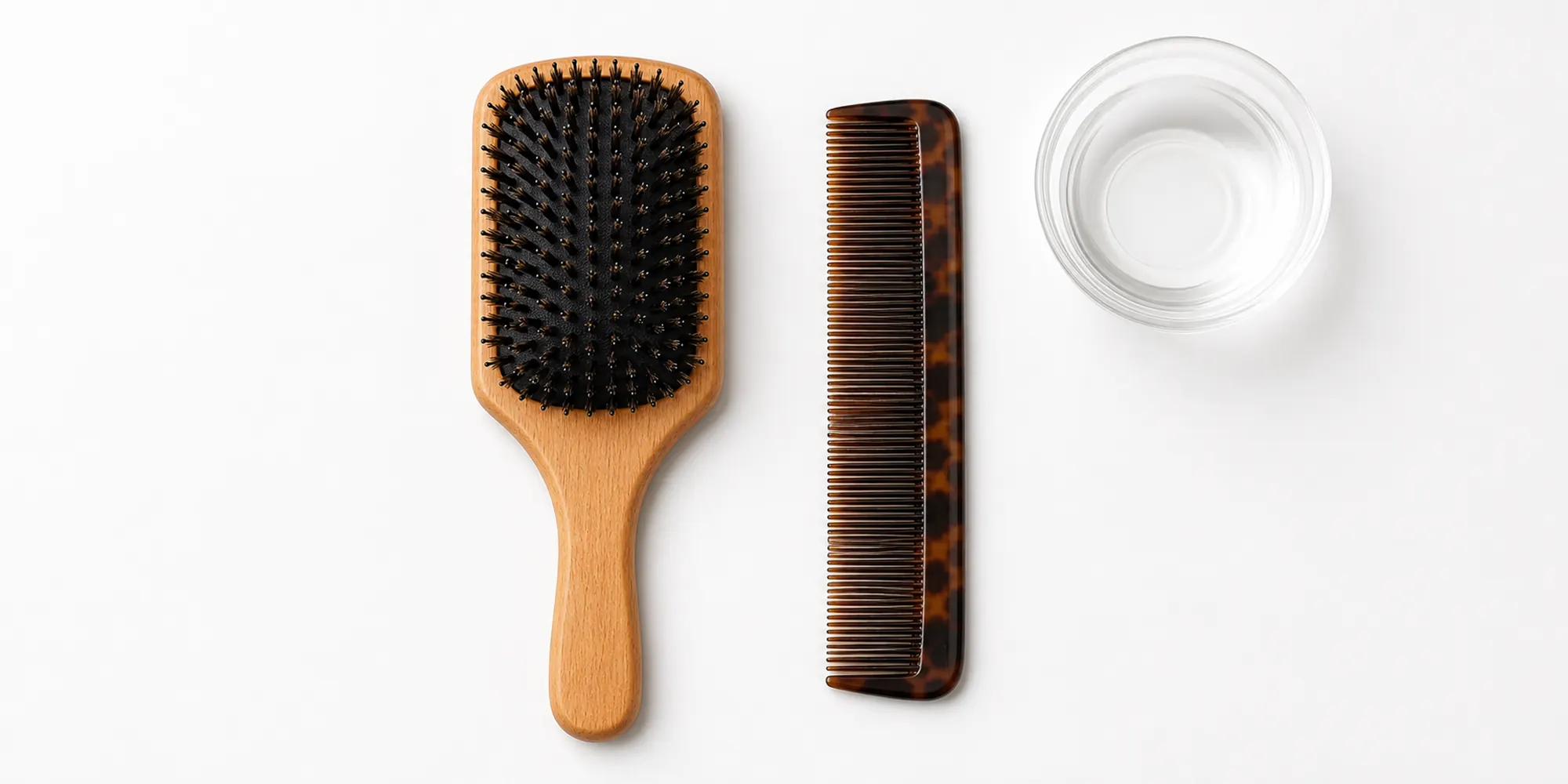
Plastic, vented and many paddle brushes are usually the easiest brush types to clean. They often use synthetic pins, nylon bristles or molded plastic bodies. However, cushioned paddle brushes still require care because water can enter the air hole or pad area.
Follow these steps for most plastic or synthetic brushes:
- Remove loose hair with fingers, a rat tail comb or tweezers.
- Cut through dense hair buildup carefully if it is wrapped around the pins.
- Mix warm water with a small amount of mild shampoo.
- Dip the bristles into the solution and scrub the base with a toothbrush.
- Rinse quickly under clean water without forcing water into the cushion pad.
- Shake off excess water and place the brush bristle-side down on a towel.
- Allow the brush to dry fully before using or packing it.
Hair.com by L’Oreal also explains that brushes and combs can collect dust, bacteria and product buildup, and that cleaning frequency depends on styling routine and product use. See its guide to cleaning hair brushes and combs.
The following table outlines practical differences by brush type.
| Brush Type | Cleaning Method | Water Caution | Typical Use |
|---|---|---|---|
| Plastic vent brush | Quick wash and scrub | Low | Blow-drying and airflow |
| Paddle brush | Scrub bristles and cushion | Medium | Detangling and smoothing |
| Round brush | Lift hair in sections | Medium | Blowout styling |
| Plastic comb | Short soak and rinse | Low | Parting and detangling |
How to Clean Boar Bristle and Mixed Bristle Brushes
Boar bristle and mixed bristle brushes need more careful cleaning because dense natural bristles can trap oils, lint and hair close to the base. These brushes are often used for smoothing, polishing and oil distribution, so residue can build up faster than on widely spaced detangling brushes.
Start by removing hair from the bristle surface. Use a wide-tooth comb or the pointed end of a rat tail comb to lift hair gently. Avoid pulling aggressively because dense bristles can bend or loosen if too much force is used.
Next, dip a toothbrush into a mild shampoo solution and scrub along the bristle base. Do not soak a wooden or natural bristle brush for a long period. Instead, use controlled moisture and wipe the surface with a damp cloth. After cleaning, place the brush bristle-side down on a towel so water does not settle inside the base.
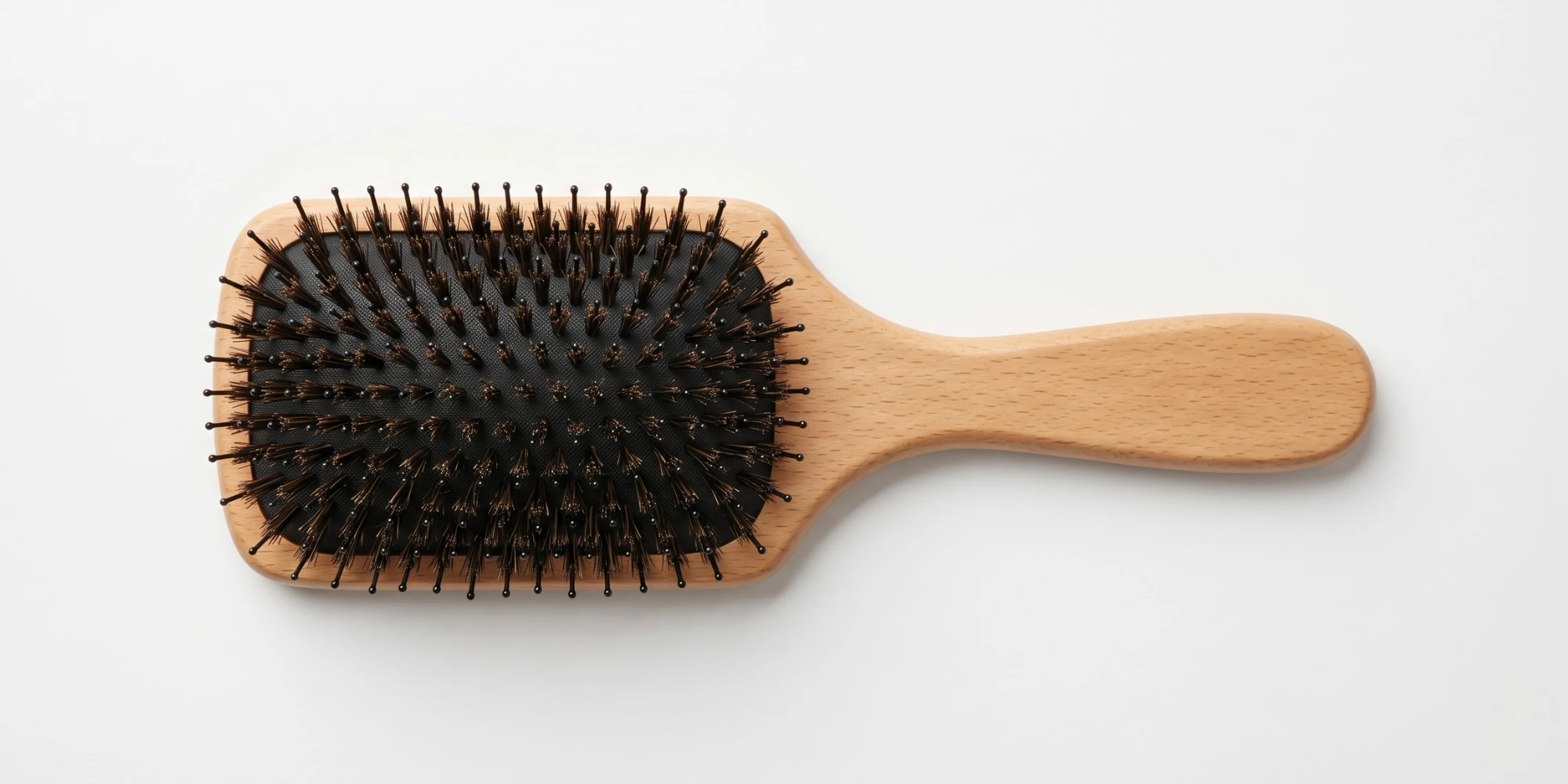
For more detail on natural and synthetic bristle differences, see the internal guide on boar bristle brush vs synthetic brush. This comparison helps explain why cleaning methods should change according to bristle density and material.
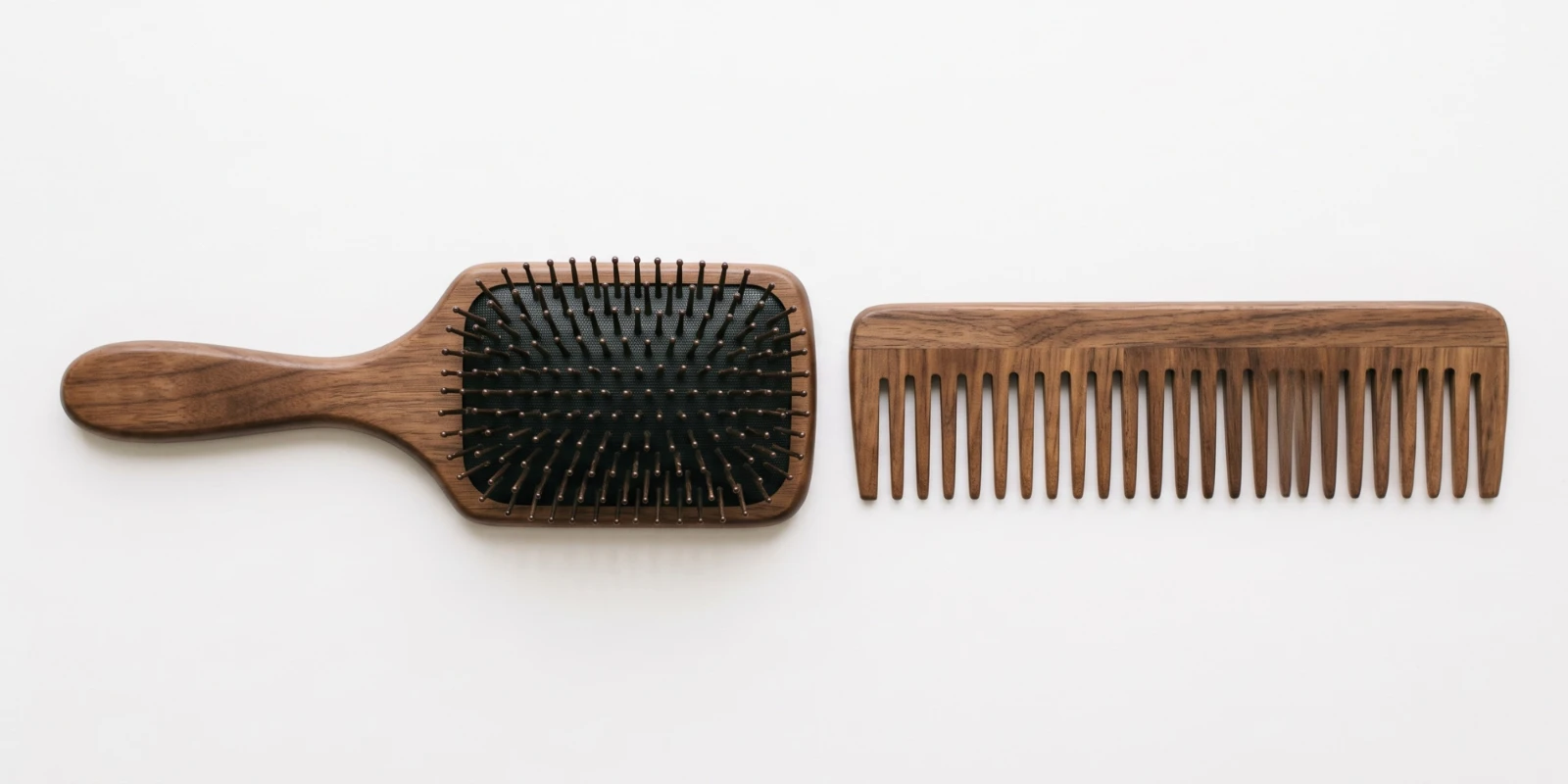
How to Clean Wooden Brushes and Combs
Wooden brushes and combs require the least soaking. Wood can absorb water, swell, crack or weaken surface finishes if it remains wet for too long. For this reason, the safest method is surface cleaning rather than full submersion.
Remove all trapped hair first. Then prepare a light cleaning solution with warm water and a small amount of mild shampoo. Dip a cloth or toothbrush into the solution, then clean the bristles, teeth and handle without flooding the wood. Wipe away residue with a damp cloth and dry immediately with a towel.
Wooden combs can be cleaned tooth by tooth. A cotton swab can help remove buildup near the base of fine teeth. Avoid boiling water, strong disinfectants and long soaking, especially for polished wood, bamboo, sandalwood or combs with decorative finishes.
For users comparing tools, the difference between brushes and combs is also relevant. A comb has fewer hidden cavities than a cushioned brush, so it is usually easier to clean. See hair brush vs hair comb for a broader comparison of structure and use.
How Often Should a Hair Brush Be Cleaned?
Cleaning frequency depends on hair type, scalp oil, product use and whether the brush is shared. A brush used daily with styling products should be cleaned more often than a brush used occasionally on clean, dry hair.
A practical schedule is to remove hair after each use, wipe visible residue weekly and deep clean the brush every two to four weeks. Salon environments, shared family tools and brushes used during lice treatment require stricter hygiene practices.
The American Academy of Dermatology recommends gentle handling of wet hair and using suitable tools for detangling. Its healthy hair care tips also note that hair type affects washing and handling routines, which indirectly affects how much residue may collect on tools.
The following schedule can be used as a general reference.
| Usage Pattern | Hair Removal | Deep Cleaning | Notes |
|---|---|---|---|
| Daily personal brush | After use | Every 2-4 weeks | Adjust for oil and product use |
| Heavy styling product use | After use | Weekly | Watch for sticky buildup |
| Boar bristle brush | After use | Every 2-3 weeks | Use controlled moisture |
| Shared brush | After each user | More frequently | Sharing is not recommended |
Common Hair Brush Cleaning Mistakes
The first mistake is soaking every brush the same way. A plastic comb may tolerate a short soak, but a wooden brush or cushioned paddle brush may be damaged by excess water. Always match the cleaning method to the brush material.
The second mistake is removing hair but leaving the oily film at the bristle base. Loose hair is only one part of the problem. Product residue, dust and scalp oil often sit below the visible hair layer, especially on dense bristle brushes.
The third mistake is drying the brush upright with the bristles facing up. This can allow water to move into the cushion, handle joint or adhesive area. Bristle-side-down drying is usually safer because moisture drains away from the base.
For buyers selecting brushes by hair type, cleaning ease should be considered together with bristle structure, cushion softness and handle material. The guide on how to choose the right hair brush for your hair type provides additional context for matching brush design to use case.
FAQ
How often should a hair brush be cleaned?
A personal hair brush should have loose hair removed after regular use and should be deep cleaned every two to four weeks. Brushes used with styling products, oily scalps or shared settings may need weekly cleaning.
Can a hair brush be soaked in water?
Some plastic combs and simple synthetic brushes can tolerate a short soak. Wooden brushes, cushioned paddle brushes and natural bristle brushes should not be soaked for long periods because water can damage the base, finish or bristle structure.
What is the safest cleaner for a hair brush?
A mild shampoo mixed with warm water is usually suitable for most hair brushes. Strong detergents, boiling water and harsh disinfectants should be avoided unless the brush material can tolerate them and the cleaning need is specific.
Should a brush be replaced if it still looks dirty after cleaning?
If a brush has cracked teeth, missing ball tips, loose bristles, persistent odour, damaged cushioning or buildup that cannot be removed, replacement may be more practical than repeated cleaning.
Conclusion
Learning how to clean a hair brush starts with understanding the brush type. Plastic and vented brushes can usually be washed more directly. Boar bristle and mixed bristle brushes need controlled moisture. Wooden brushes and combs should be wiped rather than soaked. Across all types, the sequence remains consistent: remove hair, loosen buildup, clean gently, rinse carefully and dry completely.
For B2B buyers, brush cleanability is not only a consumer-care issue. It also reflects material choice, bristle density, cushion design and handle construction. Manufacturers such as JunYi Beauty can use these factors when developing hair brush ranges for salons, retailers and private label programmes that need both styling performance and practical long-term maintenance.